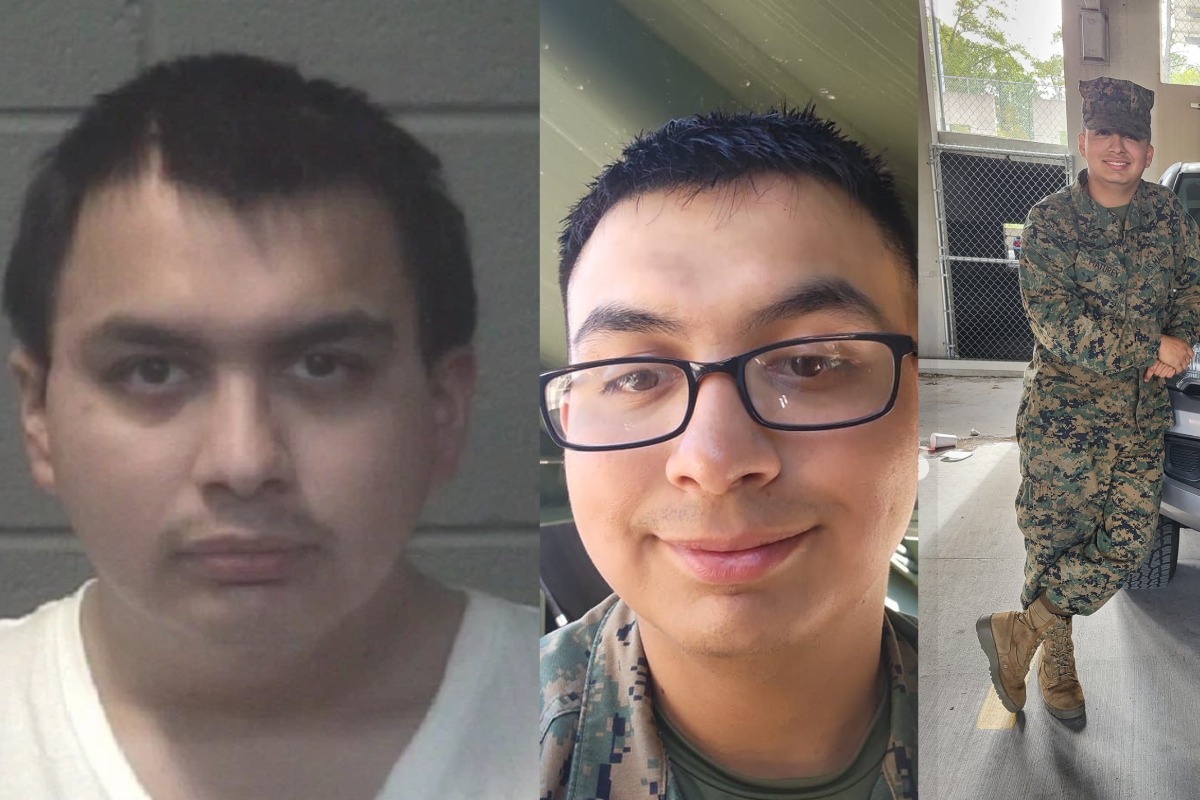
A U.S. Marine corporal is facing federal charges after prosecutors alleged he spent years moving military weapons and ammunition out of a California base and into civilian hands, according to court records filed in Arizona.
Andrew Paul Amarillas, 23, an ammunition technician assigned to Camp Pendleton’s School of Infantry-West, has been indicted on charges including conspiracy, theft of government property, and possession and sale of stolen ammunition.
But the details outlined in federal filings suggest this was not an isolated incident—or a single stolen weapon.
More Than a Single Weapon
Early reporting focused on the alleged theft of a Javelin missile system. But court records indicate the case involves multiple types of military-controlled equipment.
The FGM-148 Javelin is a shoulder-fired, fire-and-forget anti-armor weapon system used by U.S. forces to destroy armored vehicles. Once launched, it uses infrared guidance to track its target without further input from the operator.
Federal filings allege that at least one such system—described as not demilitarized—was removed from military inventory and sold.
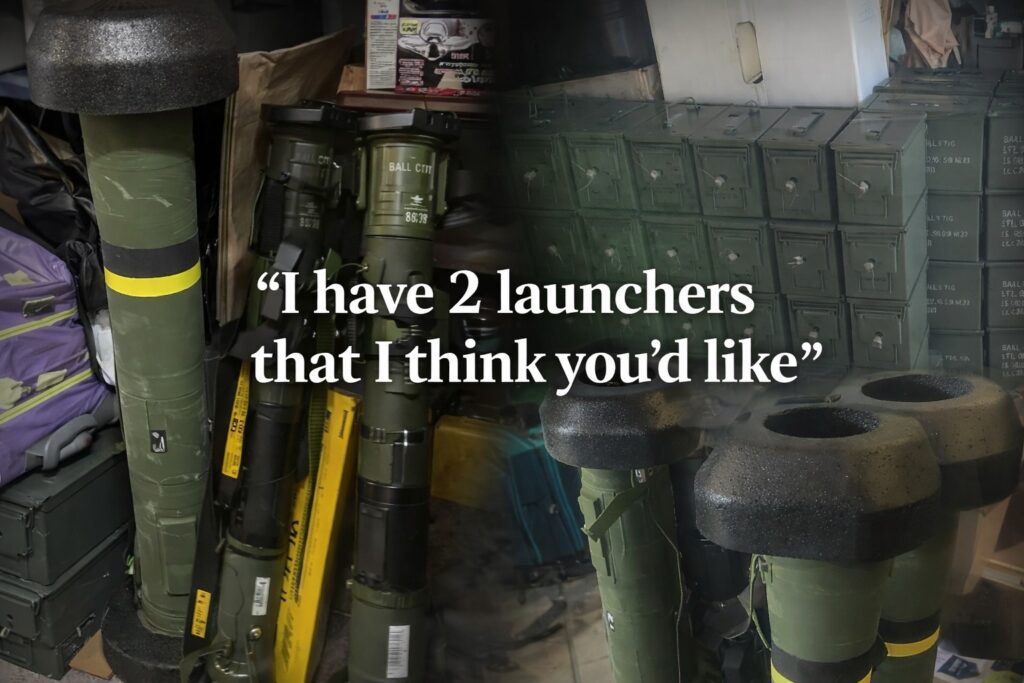
Prosecutors also reference AT4 anti-tank weapons, another class of shoulder-fired system designed for use against armored targets and fortified positions. Both systems are restricted to military use and are not legally available to civilians in operational form.
A Multi-Year Pattern
According to the indictment, the alleged activity spanned from approximately 2022 through late 2025.
Prosecutors say Amarillas used his position as an ammunition technician—responsible for handling and accounting for military explosives and ammunition—to access controlled inventory and move it off base.
From there, investigators allege, the material was transported to Arizona and sold through intermediaries.
Ammunition in Bulk
Court filings describe transactions involving significant quantities of ammunition, often measured not in individual rounds, but in entire containers.
In one instance referenced in federal records, Amarillas allegedly discussed the movement of “30” cans of ammunition—later clarified as approximately 25,000 rounds. Additional transactions described in filings suggest repeated movement of similar quantities over time.
Photographs included in court filings show stacks of military-style ammunition cans arranged in bulk, consistent with the quantities described by investigators.
How Investigators Traced It
The case was built through a combination of undercover purchases, seizures, and forensic tracking.
Federal agents purchased suspected stolen ammunition from individuals and businesses in Arizona. From there, they used lot numbers printed on the ammunition to trace it back through the military supply chain:
- Tooele Army Depot in Utah
- Camp Pendleton ammunition supply points
- School of Infantry-West
According to prosecutors, some of those lot numbers matched ammunition signed out by Amarillas.
A Larger Concern
The tracing process raised additional concerns about how much material may be missing.
According to a detention memorandum filed in the case, discrepancies in military supply records suggest that large quantities of ammunition tied to specific lot numbers cannot be fully accounted for.
Prosecutors estimate that approximately two million rounds of ammunition may be unaccounted for beyond what has already been recovered.
Evidence and Communications
Court filings reference detailed communications and transaction records that investigators say helped establish how the material was moved and sold.
Those records, along with physical evidence recovered during the investigation, form the basis of the charges now filed in federal court.
Detention and What Comes Next
Amarillas has pleaded not guilty to all charges and is currently being held in federal custody pending trial.
Prosecutors argued for detention citing the nature of the alleged conduct, the volume of material involved, and concerns about obstruction after investigators reported that a device believed to contain communications related to the case was destroyed.
Trial is currently scheduled for May 2026 in Phoenix.
More in the Federal Record
The publicly available indictment outlines the charges, but additional federal filings provide a more detailed account of the alleged activity—including message exchanges, photographs, and the step-by-step tracing of military inventory into civilian hands.
The full federal complaint, detention memorandum, and supporting evidence have been reviewed by The Salty Soldier Uncensored.
Subscribers can access the complete breakdown here at TheSaltySoldierUncensored.com
This remains an active federal case. Additional filings may further clarify the scope of the investigation as proceedings continue.
© 2026 The Salty Soldier. All rights reserved. Reproduction without written consent is strictly prohibited.