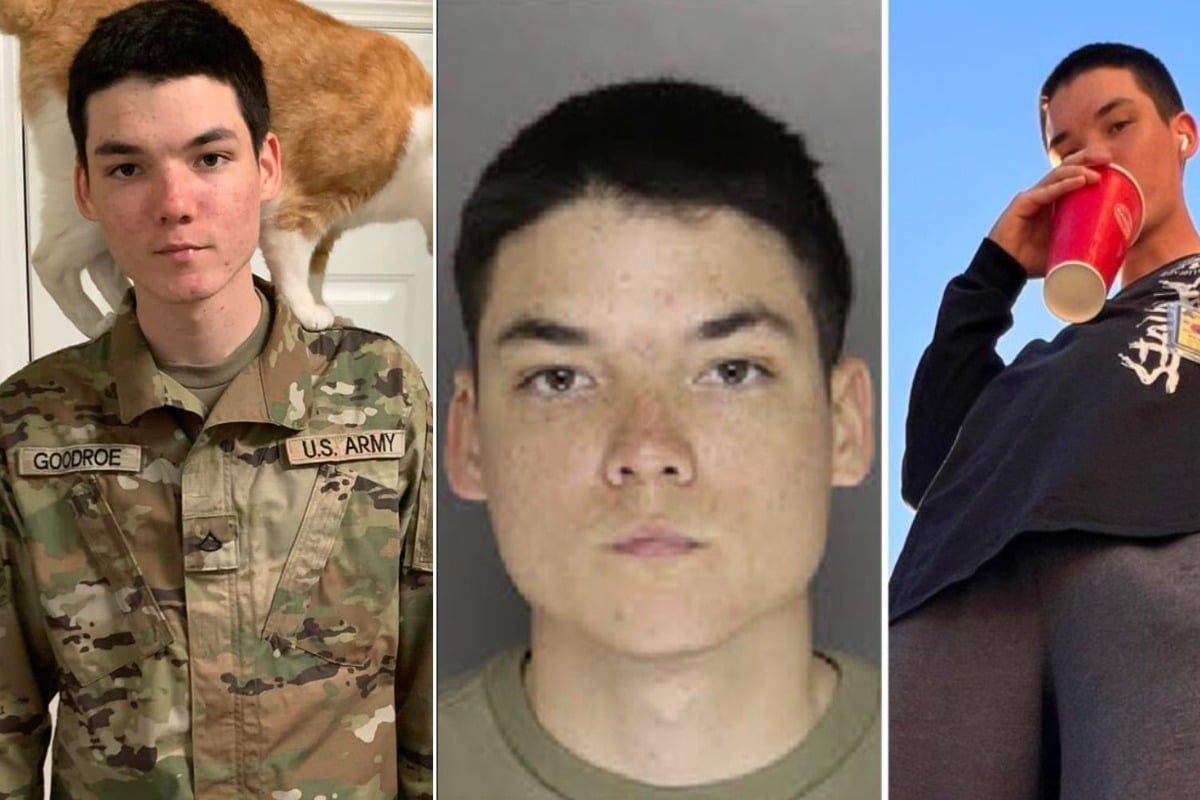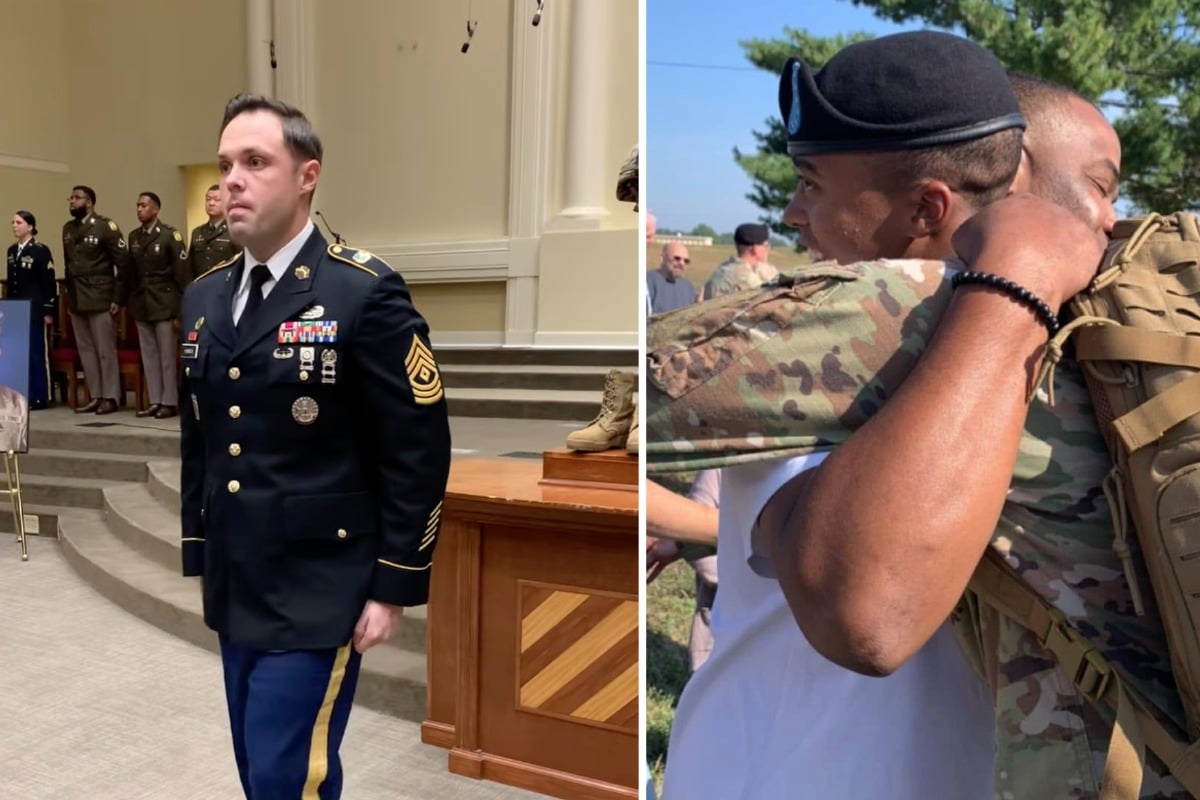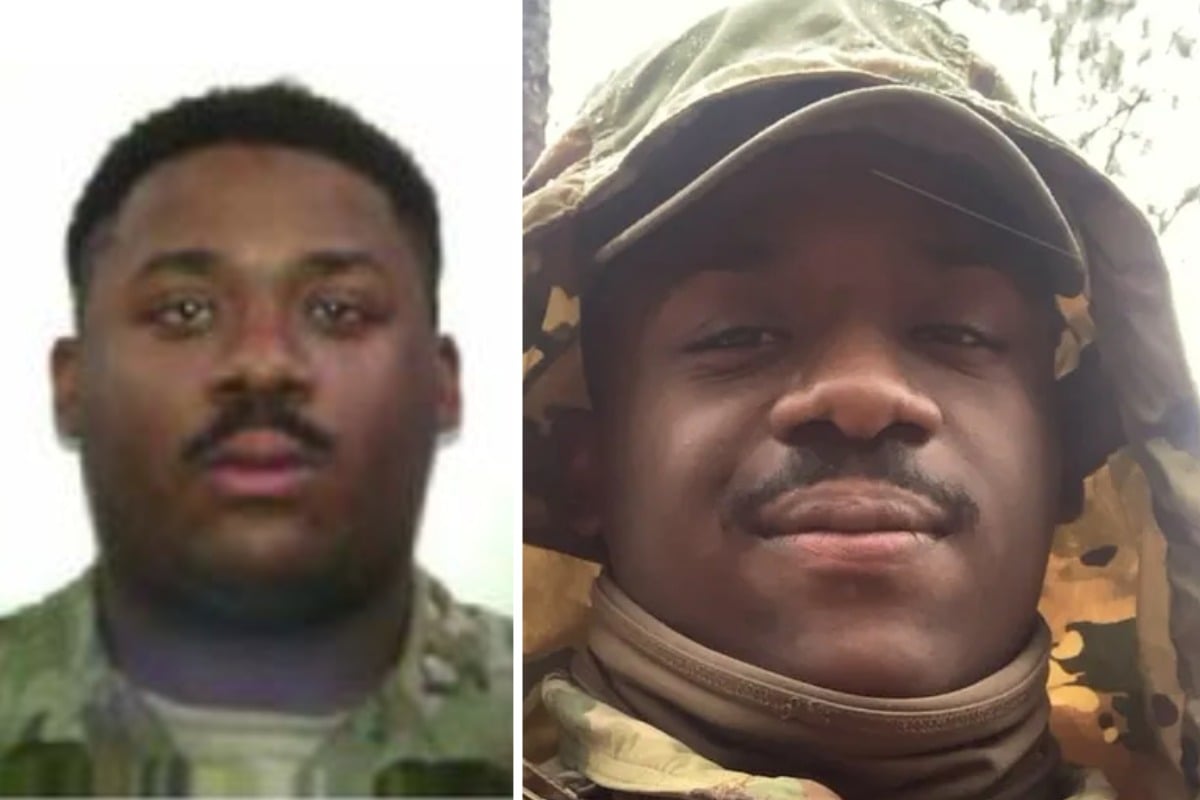
Court records reviewed by The Salty Soldier show the case began with animal-cruelty and false-statement charges. A month later, federal prosecutors accused the Fort Benning couple of starving their son to death.
By the time Army Criminal Investigation Division agents searched the Fort Benning home shared by Ladarrion McCray and Emma Bradshaw on Jan. 28, the couple’s son was dead, a dachshund was inside a garbage bag in an outdoor trash barrel, and two other dogs were allegedly so malnourished that medical personnel documented significant muscle wasting.
Federal prosecutors now contend the conditions were part of the same pattern of deprivation.
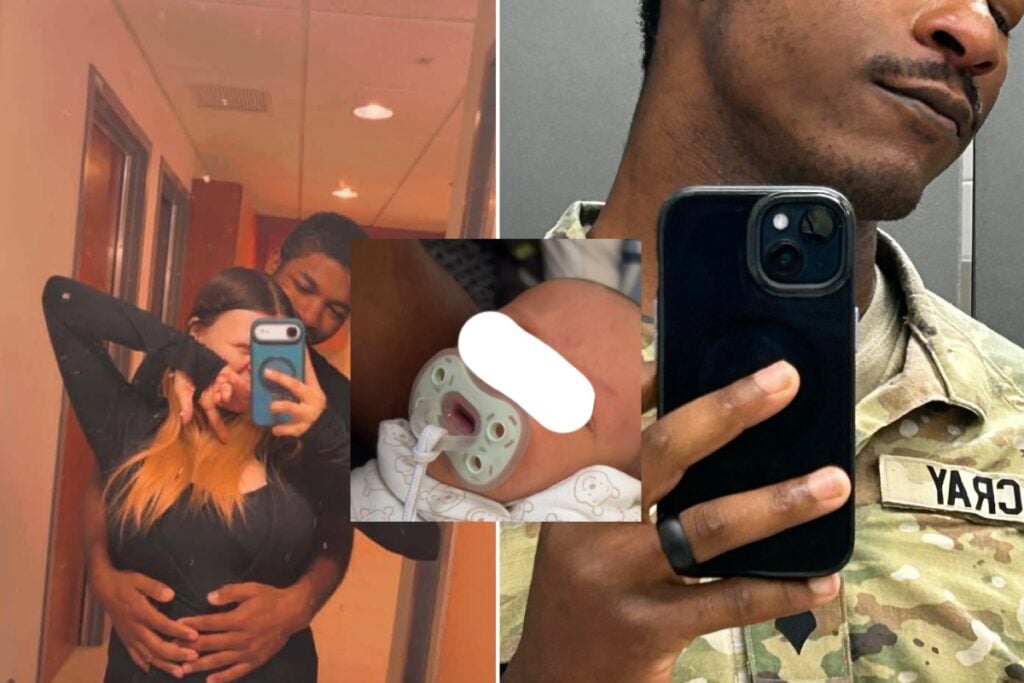
McCray, an active-duty soldier who had recently transferred to Fort Benning, and Bradshaw, his 22-year-old partner, are accused of withholding necessary sustenance from their son for approximately two weeks. The alleged deprivation began around Jan. 14 and continued until the child’s death Jan. 28, according to a superseding federal indictment.
Note: Subscribers can access an expanded version of this report featuring additional court-record details, deeper analysis of the case and more images of the individuals involved.
The same indictment alleges the couple denied adequate food, water, sanitation and ventilation to three dogs living at the residence. One died from what prosecutors described as starvation. The other two survived but were severely malnourished.
After the child and dog died, prosecutors say, McCray and Bradshaw told investigators that their son had shown no signs of illness and that the dachshund died from an illness before being buried at a park outside Fort Benning.
Army CID instead allegedly found the dog’s remains discarded with the household trash.
The allegations have produced an eight-count prosecution that could send both defendants to federal prison for life. Court records obtained by The Salty Soldier, however, show the case developed in stages. Neither defendant was initially charged with causing the child’s death when they were arrested, arraigned and released from federal custody.
The original indictment focused on alleged animal abuse and false statements. Felony murder and first-degree cruelty-to-children charges were added more than a month later.
The superseding indictment identifies the deceased child only by the initials L.M. Prosecutors allege Bradshaw and McCray, “aided and abetted by each other,” unlawfully killed the child during the knowing and willful commission of child abuse.
A separate count alleges that, as L.M.’s parents, they willfully deprived him of necessary sustenance from approximately Jan. 14 through Jan. 28, jeopardizing his health and well-being. The indictment does not state the child’s precise age, weight, medical history or autopsy findings, but it alleges both defendants knew he was exhibiting symptoms of severe malnourishment before his death.
The alleged conduct occurred in military housing at the U.S. Army Maneuver Center of Excellence at Fort Benning, an area under federal jurisdiction. Prosecutors charged the murder count under federal law and used the Assimilative Crimes Act to incorporate Georgia’s child- and animal-cruelty statutes.
Bradshaw and McCray had three dogs: a female dachshund, a male hound and a female Doberman.
When Army CID agents executed a search warrant at the residence Jan. 28, they allegedly found the hound and Doberman alive but severely malnourished. The dogs were taken to a Fort Benning animal shelter, where medical examinations reportedly documented significant muscle wasting.
The dachshund was found dead in a trash barrel outside the residence. A necropsy later concluded the animal died from starvation, according to federal prosecutors.
The superseding indictment charges the couple with animal crushing in connection with the dachshund’s death. Despite the offense’s name, prosecutors do not allege the dog was physically crushed. The charge alleges Bradshaw and McCray purposely subjected the animal to serious bodily injury and death by failing to provide adequate food, water, sanitary conditions and ventilation.
They also face aggravated animal cruelty involving the dachshund and separate animal-cruelty counts involving the surviving hound and Doberman.
Each defendant is separately charged with making false statements to Army CID.
Bradshaw allegedly told investigators the dachshund died from illness and was buried at a park off post. She also allegedly claimed L.M. had displayed no signs of illness before his death.
McCray is accused of making substantially the same statements.
Prosecutors allege both defendants knew those claims were false because the dog had been placed in a garbage bag and discarded near the residence, while the child had been suffering symptoms of severe malnourishment.
Although the child died Jan. 28, the original indictment filed in June contained no murder or child-abuse charges. It charged Bradshaw and McCray with false statements, animal crushing, aggravated animal cruelty and two counts of animal cruelty. The initial false-statement allegations addressed only what the defendants allegedly said about the dog’s death and disposal.
The federal docket shows the case was opened June 10 and the original indictment was filed June 11. The felony-murder and child-cruelty counts were not added until a grand jury returned the superseding indictment July 14.
That timeline is significant because both defendants were released on $10,000 unsecured judicial-release bonds before the murder charge existed.
McCray was arrested at Fort Benning on June 11. The federal warrant was issued, received and executed that same day by an Army CID special agent.
He appeared before U.S. Magistrate Judge Amelia G. Helmick later that afternoon, pleaded not guilty to the original charges and was ordered released after processing.
Because his bond was unsecured, McCray was not required to deposit $10,000 in cash or pledge property before leaving custody. The amount represented a financial obligation that could be enforced if he violated his release or failed to appear.
McCray was required to surrender his passport, report to federal supervision and obtain approval before traveling outside the Middle District of Georgia. He was also directed to report to Martin Army Hospital for a mental-health assessment.
His order prohibited him from possessing firearms or other weapons but included an exception for possession required through his employment with the Army. It also anticipated his possible discharge from military service, directing him to report to Pretrial Services or his mother’s home in Valdosta after his separation.
One condition stated that McCray could not reside in any home with a pet.
That restriction was modified July 8 after the court learned that McCray’s mother and her husband owned four dogs at their Valdosta home.
The order states that McCray’s parents knew about his charges and remained willing to let him live with them. They assured the court that they would be solely responsible for the animals.
Based on those assurances, Helmick allowed McCray to reside at the home with his parents and their four dogs following his military discharge. The order did not authorize him to own or care for the animals.
That modification was entered six days before prosecutors added the felony-murder charge.
Bradshaw appeared in federal court June 15. Prosecutors filed a motion seeking her detention, but the court ordered her released after processing on a separate $10,000 unsecured bond.
Bradshaw was not permitted to live wherever she chose. Her release order required her to reside at the Lovelady Center in Birmingham, Alabama, and submit to federal pretrial supervision.
The Lovelady Center describes itself as a Christian residential transition and recovery program serving several groups of women, including court-referred participants, women leaving incarceration, supervised-reentry clients and voluntary residents.
Its standard program generally requires a nine- to 12-month residential stay and includes counseling, education, job-readiness training, life-skills programming and sobriety requirements. The court order does not identify which program Bradshaw entered or explain why the facility was selected.
Her placement should therefore not be interpreted as proof that she has a substance-use disorder, experienced homelessness or qualified for any other service offered by the center.
Bradshaw’s court-ordered conditions restricted her travel to the Middle District of Georgia and Northern District of Alabama unless Pretrial Services approved an exception. She was required to surrender her passport, avoid contact with potential victims and witnesses, receive medical or psychiatric treatment as directed, refrain from possessing weapons and submit to drug testing if required.
Handwritten conditions prohibited Bradshaw from possessing a pet “in any way for any reason” and from residing in a home with one.
The order directed the U.S. Marshals Service to release her after processing. It did not require her to deposit cash or property before leaving custody.
On July 14, the federal grand jury returned the superseding indictment that transformed the case from an animal-cruelty prosecution into a child-death case carrying a possible life sentence.
As of the docket reviewed by The Salty Soldier on July 20, neither defendant’s release had been revoked following the new charges. Both are scheduled to appear July 22 before Helmick, with a pretrial conference set for Aug. 4 before U.S. District Judge Clay D. Land.
Army CID is investigating the case, and Assistant U.S. Attorney Veronica Hansis is prosecuting it for the U.S. Attorney’s Office for the Middle District of Georgia.
The indictment contains allegations, not findings of guilt. Bradshaw and McCray pleaded not guilty to the original charges and remain presumed innocent unless prosecutors prove the superseding charges beyond a reasonable doubt.
Editor’s note: This article reflects federal court records available through July 20, 2026.
© 2026 The Salty Soldier. All rights reserved. Reproduction without written consent is strictly prohibited.