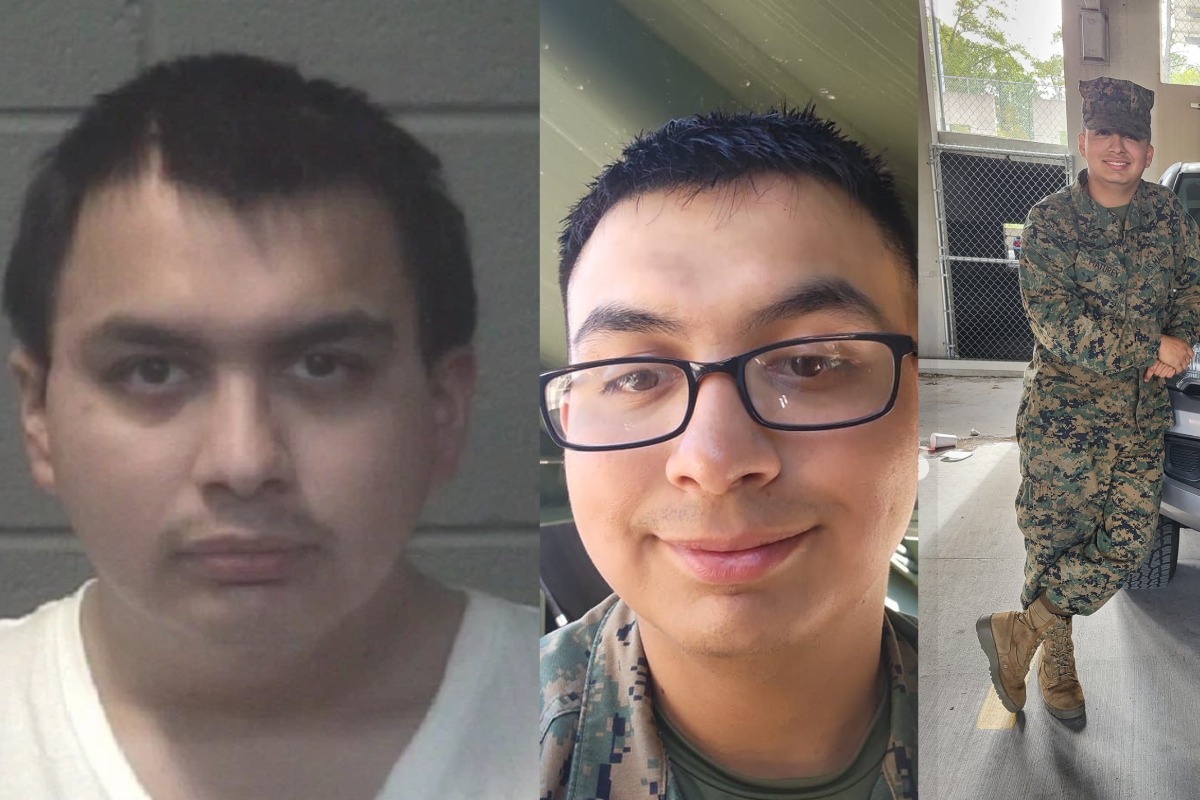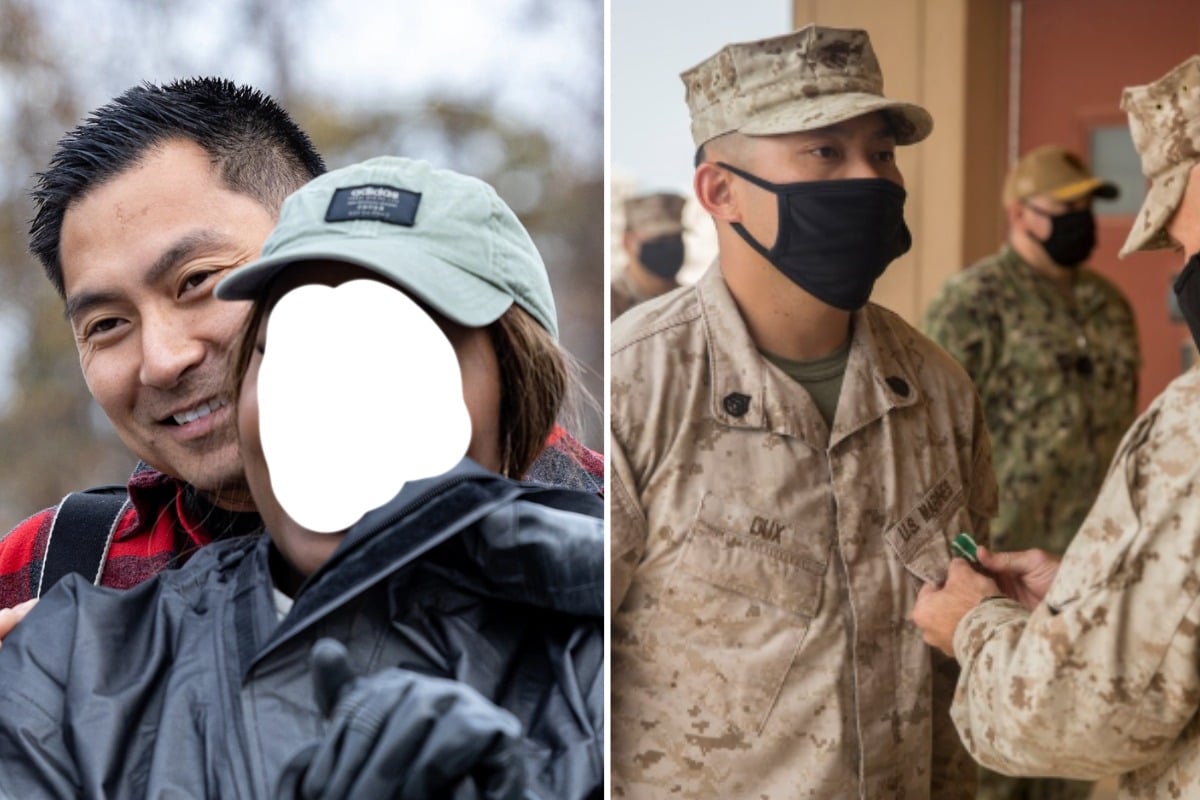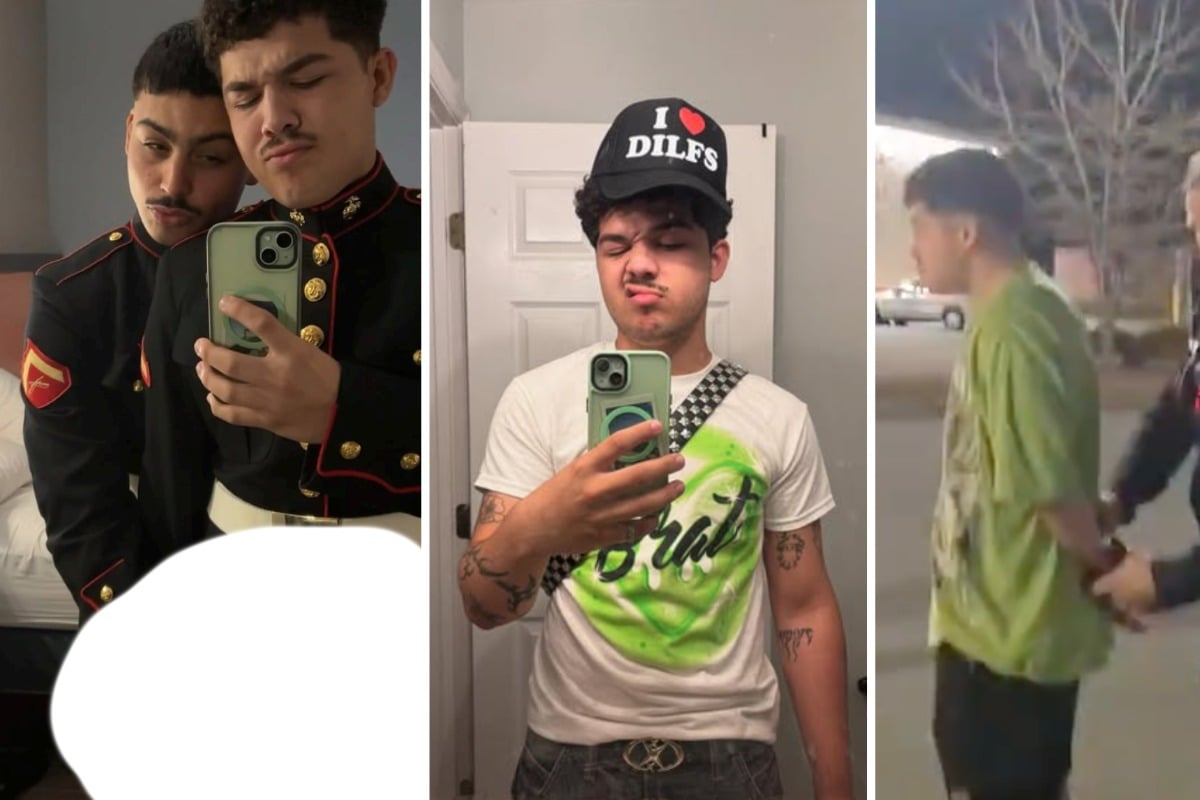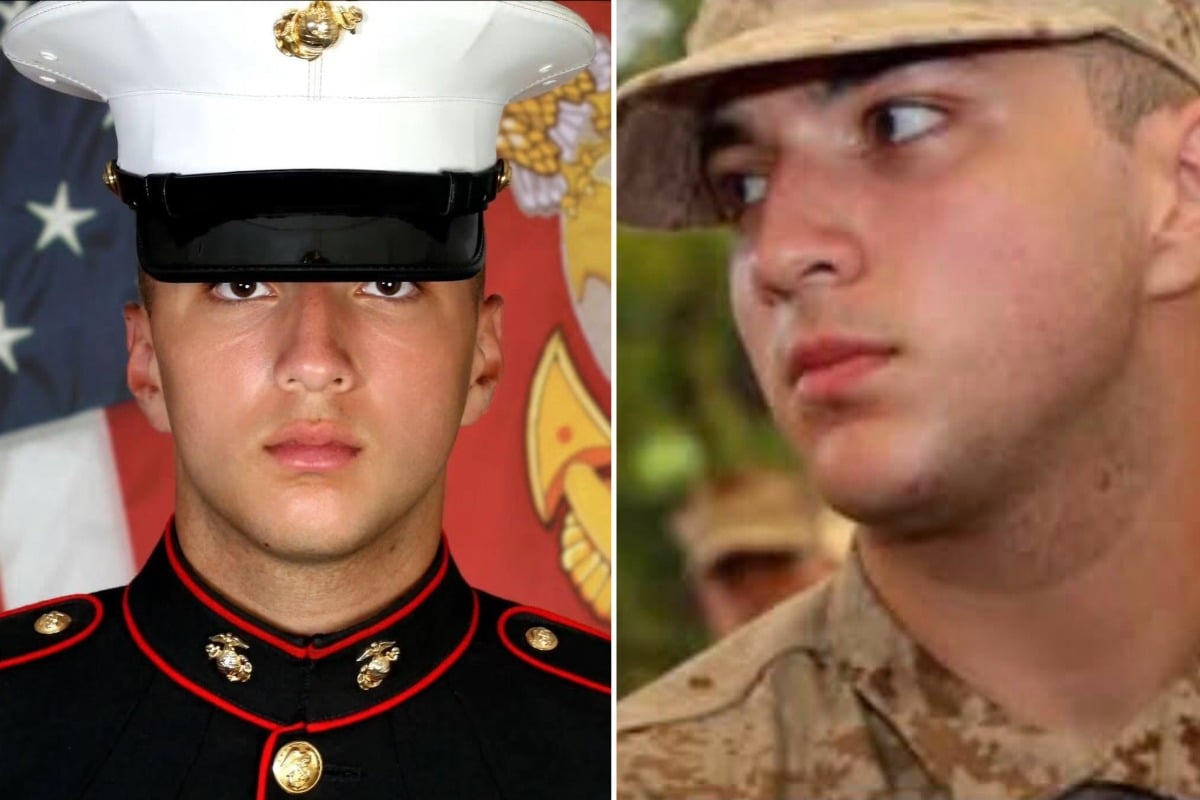
A post circulating online from an adult-themed community is drawing attention across military circles—not for shock value alone, but for the serious implications it could carry if authentic. The post, allegedly written by a self-identified Marine officer, appears to seek out a junior enlisted Marine for a personal arrangement involving the officer’s spouse. While the authenticity of the post remains unverified, the situation—real or not—raises immediate concerns about professional boundaries, leadership conduct, and potential violations of the Uniform Code of Military Justice (UCMJ).
This version of the article has been formatted for a general audience. Subscribers can access a more detailed article.
If legitimate, the scenario would likely fall under scrutiny for fraternization, which is prohibited under Article 134 of the UCMJ. The separation between officers and enlisted personnel is a foundational part of maintaining discipline and order within the military. Relationships that blur those lines—especially those initiated by someone in a position of authority—can compromise trust, fairness, and the integrity of the chain of command. Even the perception of an inappropriate relationship can be enough to trigger administrative or disciplinary action.
The situation may also raise questions under Article 133, which governs conduct unbecoming an officer. This standard exists to ensure officers uphold a level of professionalism and judgment consistent with their role and responsibilities. Publicly posting or engaging in behavior that could undermine confidence in leadership—particularly in a forum tied to military identity—can have consequences that extend beyond the individual involved.
Equally important is the potential impact on command climate. For junior service members, interactions involving senior leaders carry an inherent power imbalance. Situations that introduce personal or non-professional dynamics into that relationship can create confusion, discomfort, and concerns about fairness or retaliation. Even if no direct action ever occurs, the existence of such a scenario can erode trust within a unit and weaken cohesion.
The digital nature of the post adds another layer to the issue. Online activity is increasingly viewed as an extension of professional conduct, and service members have faced consequences for behavior on social platforms that reflects poorly on the military. A public, archived post—if tied to a real individual—could easily become part of an official inquiry.
It highlights a gray area where simply claiming to be a Marine carries no immediate accountability. Without a way to verify identity, conduct like this can exist entirely outside command visibility, making it unlikely to be noticed or investigated. While the images linked to the post appear to be real, the individual behind the account has not been verified, leaving open the possibility the post was fabricated by someone falsely presenting themselves as a Marine officer.
Whether real or not, the situation highlights an ongoing challenge within the force: maintaining clear professional boundaries in an era where personal behavior is often displayed publicly. Leadership in the military carries not just authority, but responsibility. When those lines are blurred—or appear to be—it raises broader questions about accountability, standards, and the example set for those in the ranks.
© 2026 The Salty Soldier. All rights reserved. Reproduction without written consent is strictly prohibited.