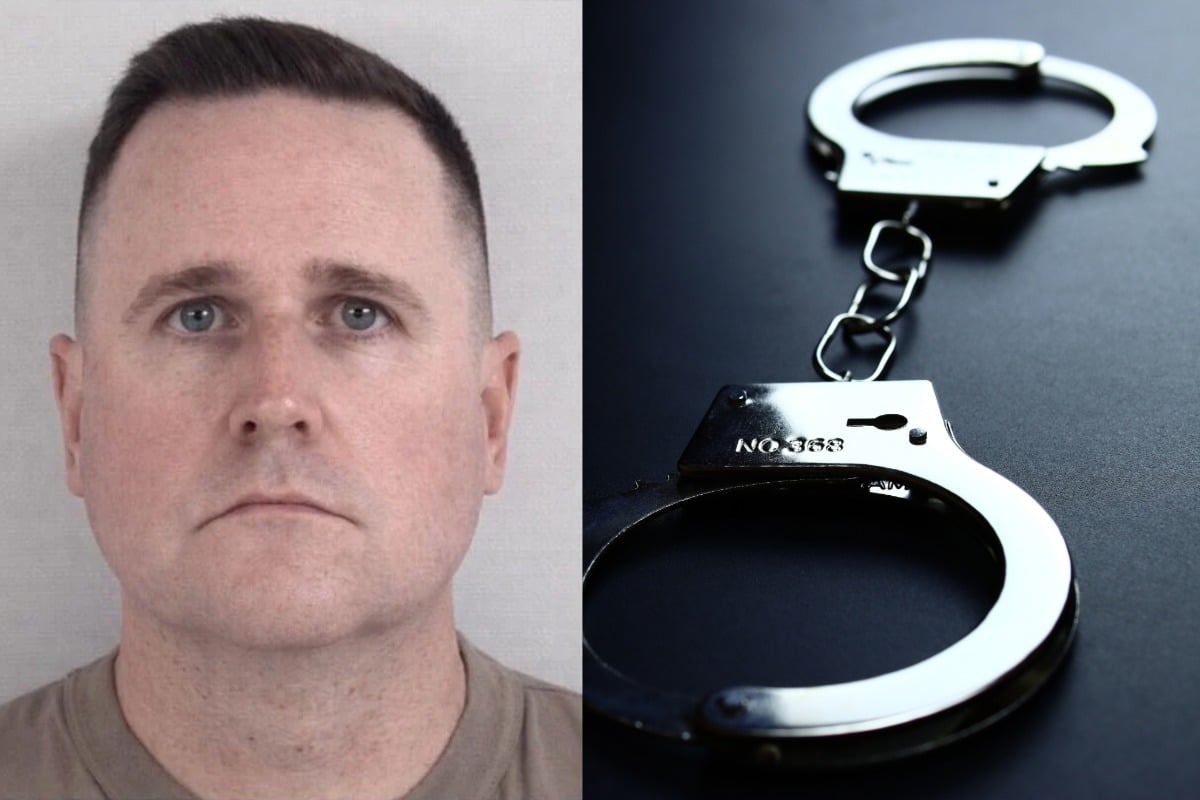
WEST POINT, N.Y. — Newly obtained court records provide additional insight into the case of former West Point cadet Cayden N. Cork, who was dismissed from the Army after pleading guilty to extortion and indecent conduct involving AI-generated imagery.
The records show prosecutors originally pursued a broader case than the offenses that ultimately resulted in Cork’s conviction. They also reveal that before entering his guilty plea, Cork attempted to have portions of the case dismissed by arguing that creating and possessing certain AI-generated images was protected by the First Amendment.
According to court records, the allegations stretched back to early 2024 and involved multiple incidents. Prosecutors alleged that Cork obtained publicly available photographs of female cadets and used technology to alter the images to make them appear nude. The documents further allege that he sent some of those manipulated images to the individuals depicted and continued communicating with them afterward.
In one instance, court records indicate Cork sent an altered image to a fellow cadet and later sent a message asking, “how accurate is this?” Another allegation involved a similar image sent to a different cadet, followed by a message asking, “is this you?”
The conduct ultimately led to an extortion charge. According to the Statement of Trial Results, Cork pleaded guilty to threatening to release a computer-generated nude image unless the victim provided him with an explicit photograph. The charge formed the basis of his conviction under Article 127 of the Uniform Code of Military Justice.
Before the case reached trial, however, Cork’s attorneys pursued an unusual constitutional argument. They contended that creating and privately possessing the manipulated images constituted protected speech and that the government could not prosecute him solely for keeping those images in his private digital spaces.
Military Judge COL Trevor I. Barna agreed with portions of that argument.
In a January 2026 ruling, the judge found that some allegations involving images that remained private raised legitimate First Amendment concerns. The court noted that investigators discovered certain images only after searching Cork’s electronic devices and that no one other than Cork had viewed some of them.
“The bottom line is that no one other than the Accused saw the images,” Barna wrote in the ruling.
The judge drew a distinction, however, when Cork’s conduct involved communication with other individuals, attempts to obtain explicit photographs, or threats connected to the manipulated images. Under those circumstances, the court concluded that the First Amendment did not shield the conduct alleged by prosecutors.
Cork also challenged the Army’s authority to prosecute him after he was removed from West Point and placed on Administrative Leave of Absence in November 2024. The military judge rejected that argument, finding that Cork had not been formally discharged from military service and remained subject to military jurisdiction.
Despite the pretrial challenges, Cork ultimately pleaded guilty to one specification of extortion and one specification of indecent conduct. He was sentenced to a reprimand, forfeiture of all pay and allowances, 10 days confinement, and dismissal from the Army.
While the guilty plea concluded the criminal case, the newly released court records offer a rare look at how military courts are beginning to address questions involving artificial intelligence, digitally altered imagery, and the limits of First Amendment protections in the military environment.
A more detailed report, including court records and language not suitable for general audiences, is available at our subscribers.
© 2026 The Salty Soldier. All rights reserved.