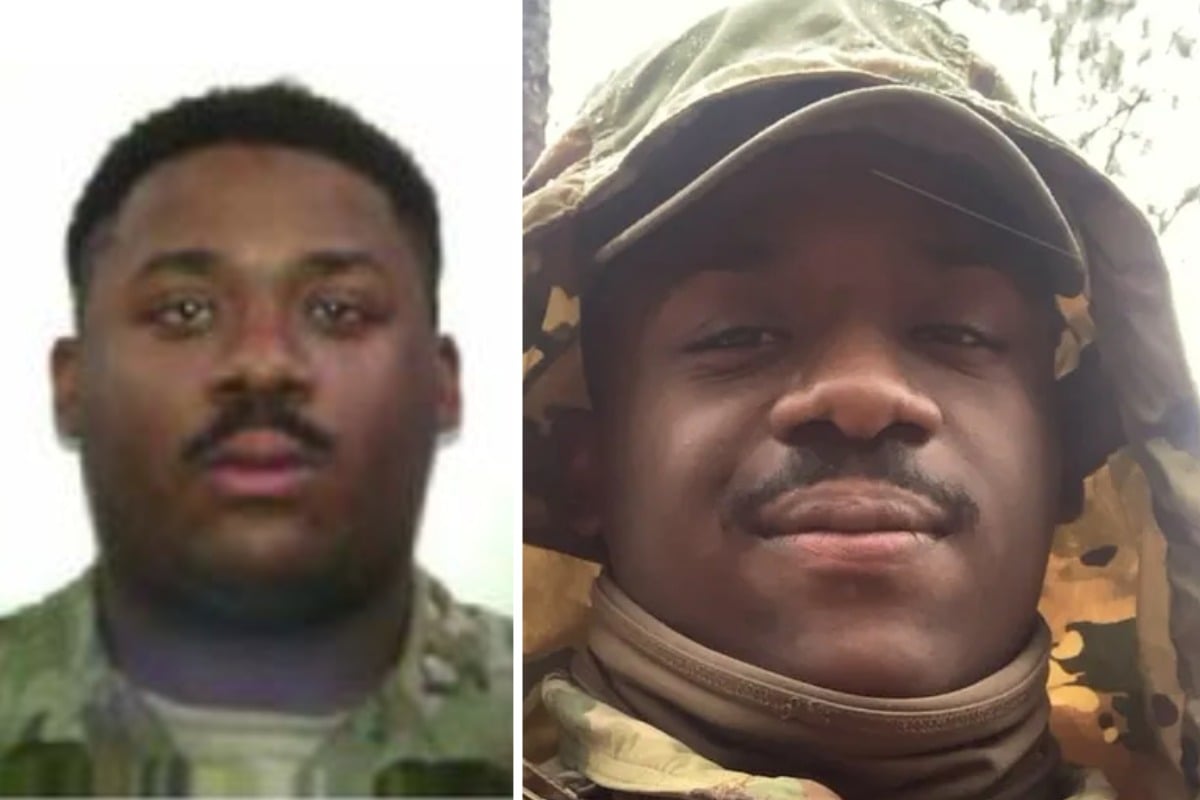
When National Guard soldier Natravien Reshawn Landry drove through the gates of Fort Eisenhower around 4:45 a.m. on Dec. 14, 2024, he was expected to spend the day performing routine drill duties with his unit.
Instead, federal prosecutors say the morning ended with U.S. Army Sgt. Andre S. Stewart Jr. dead inside an on-post residence, a murder investigation underway and Landry fleeing north on Interstate 85.
According to investigators, Landry, 25, of Abbeville, Louisiana, reported for duty before being released around 7 a.m. He was expected to return after a short break.
Editor’s Note: Subscribers can review the federal court records referenced in this report, including filings detailing alleged prior threats and confrontations, bloodstain-pattern analysis conducted inside the Fort Eisenhower residence, and the medical examiner’s findings.
Prosecutors say he never made it back.
Instead, Landry allegedly drove to an on-post residence on Boxwood Court occupied by the mother of his child.
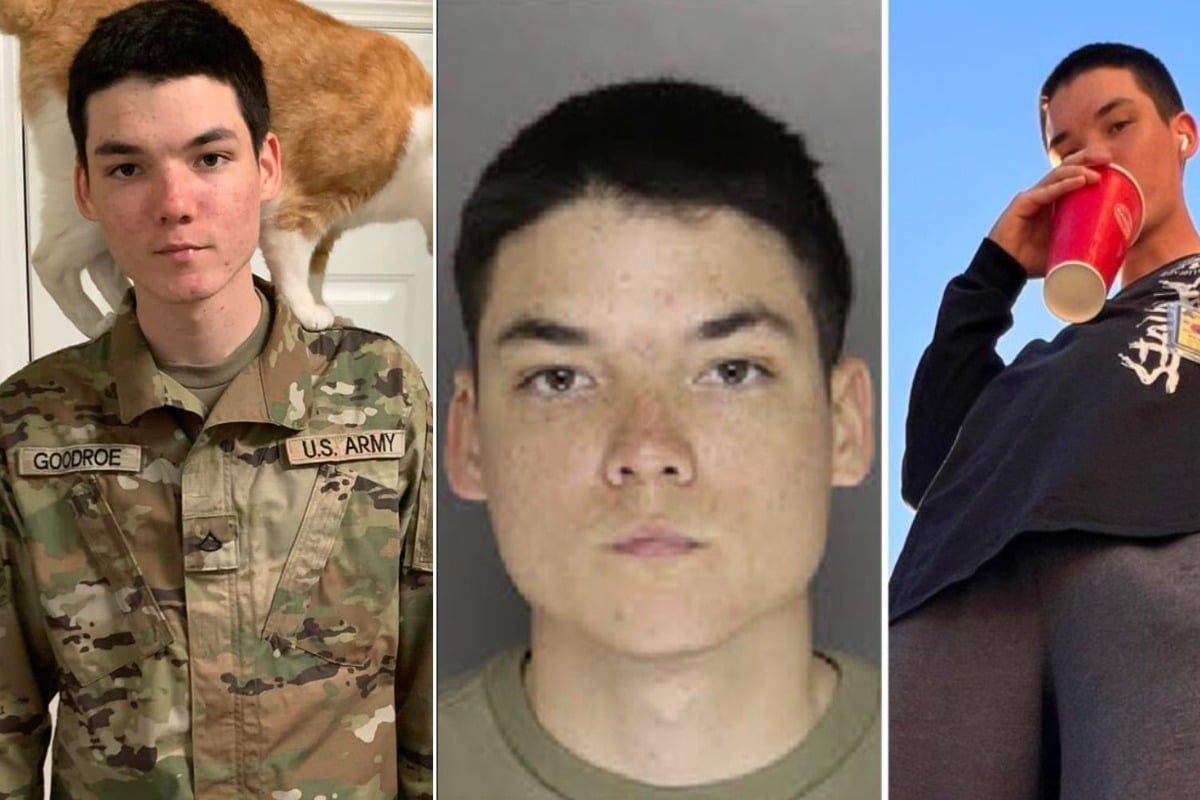
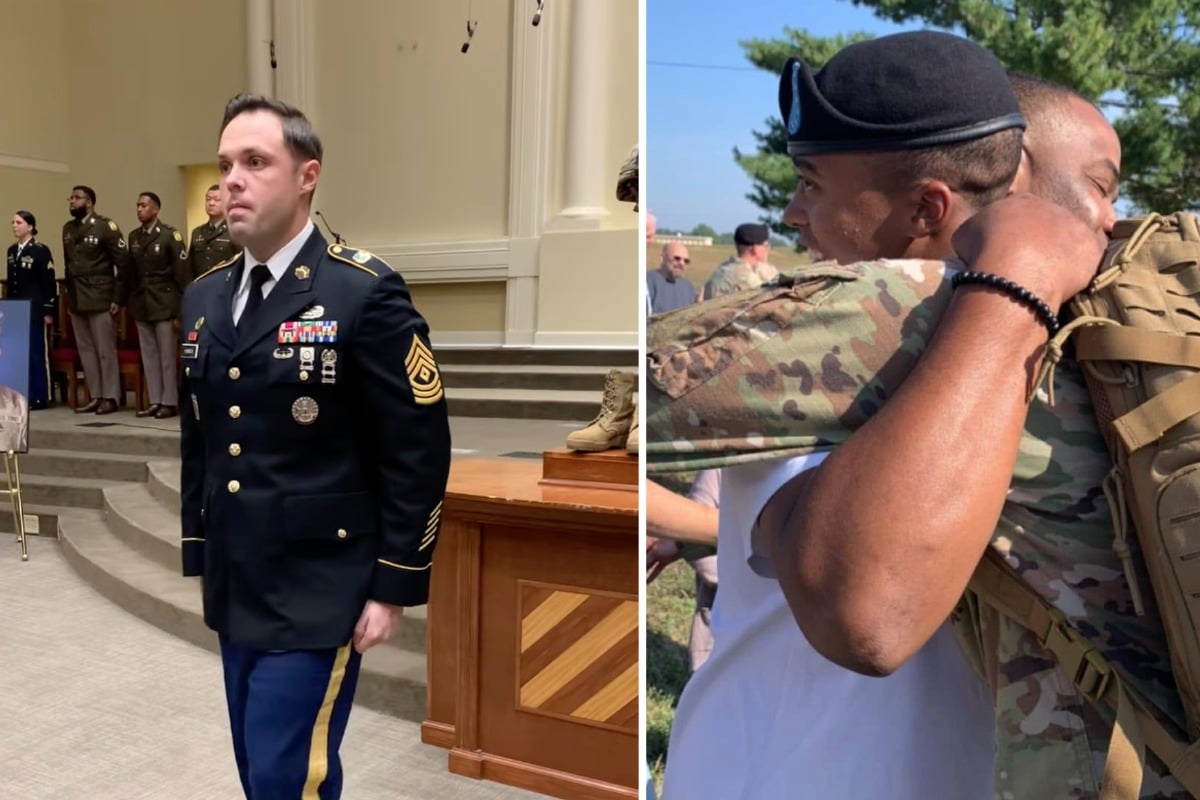
Inside the home was U.S. Army Sgt. Andre S. Stewart Jr. of Clarksville, Tennessee. Stewart enlisted in the Army in 2019 and served on active duty as a Human Resources Specialist before transitioning to the Army Reserve in 2023. At the time of his death, Sgt. Stewart was assigned to the Army Reserve’s 400th Military Police Brigade at Fort Meade, Maryland.
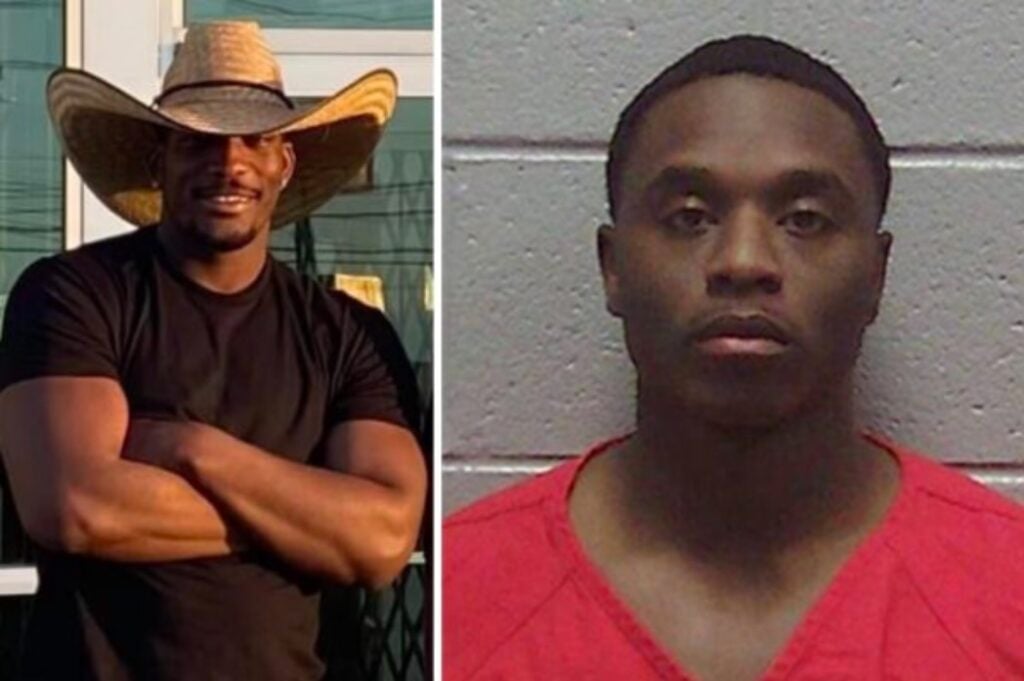
According to court records and prior testimony, Sgt. Stewart was in bed with the woman when Landry arrived.
The woman later told investigators she woke to a disturbance in the bedroom and saw Landry standing near the doorway. She attempted to speak with him, but after turning away heard a gunshot.
Sgt. Stewart had been shot.
The killing quickly drew national attention because of the apparent relationship conflict at its center. But federal court records reviewed by The Salty Soldier suggest the deadly encounter was not the result of a single morning’s emotions.
Instead, prosecutors were prepared to tell a story that stretched back years.
According to court filings, Landry and the woman shared a child and had maintained an on-again, off-again relationship. Long before the shooting, prosecutors say, tensions had already developed between Landry and Sgt. Stewart.
One of the most significant revelations contained in the court record is that Landry and Sgt. Stewart allegedly knew each other before the homicide.
Federal prosecutors disclosed that Landry described prior confrontations involving Sgt. Stewart that occurred before the fatal shooting. According to the government, Sgt. Stewart had previously intervened during disputes involving Landry and the woman, creating friction that allegedly existed long before the morning he was killed.
By the time Sgt. Stewart was shot inside the Fort Eisenhower residence, prosecutors argued the relationship had already deteriorated into something far more volatile.
Court filings reveal the woman sought a temporary order of protection in Montgomery County, Tennessee, in April 2023. Prosecutors further disclosed that she sought another protective order in Columbia County, Georgia, in August 2024.
The government also revealed that Landry was arrested on a domestic assault allegation involving the same woman on Christmas Day 2023.
Federal prosecutors further indicated they possessed electronic communications that allegedly demonstrated jealousy regarding the woman’s relationship with Sgt. Stewart. Additional communications between Landry and Sgt. Stewart were also identified by prosecutors as potentially threatening in nature.
To prosecutors, those events helped explain what happened inside the Fort Eisenhower home on Dec. 14.
What happened inside the residence after the shot was fired, however, appears more complicated than the brief public descriptions initially released following the killing.
As the case moved toward trial, investigators assembled an extensive forensic case.
DNA testing conducted by the U.S. Army Criminal Investigation Laboratory identified Sgt. Stewart’s DNA on multiple stains recovered from Landry’s clothing, including his uniform shirt and pants. Additional testing linked Landry to a spent cartridge casing recovered during the investigation.
Prosecutors also retained experts in firearms identification, bloodstain-pattern analysis, DNA and serology, and forensic pathology.
The bloodstain analysis produced one of the more intriguing findings contained in the court record.
According to the government’s expert disclosure, investigators documented ten separate bloodstains throughout the residence. The analyst concluded the blood evidence was consistent with a bloodletting event occurring in or near the home’s stairway. The analyst further concluded the blood source appeared to have moved from the second-floor landing toward the first floor.
Those findings suggest investigators believed the physical evidence extended beyond the bedroom where witnesses reported the confrontation began.
The autopsy added another layer to the story.
Medical examiners determined Sgt. Stewart died from a single gunshot wound to the upper chest. The projectile traveled through his lung, heart structures and aorta before coming to rest near his spine.
The autopsy also documented blunt-force injuries to Sgt. Stewart’s head and torso. While those injuries were not listed as contributing factors in his death, they indicate investigators were examining more than just the gunshot itself when reconstructing the events inside the residence.
Landry did not remain on Fort Eisenhower long after the shooting.
Authorities say he fled the installation and was located approximately three hours later during a traffic stop on Interstate 85 south of Atlanta conducted by the Meriwether County Sheriff’s Office. Deputies reportedly recovered a 9mm pistol during the stop before Landry was taken into federal custody.
By the time the case approached trial, federal prosecutors had lined up experts in firearms identification, DNA analysis, bloodstain-pattern reconstruction and forensic pathology. The Department of Justice also spent months evaluating whether to seek the death penalty before ultimately declining capital punishment.
Yet despite the extensive preparation, a jury never heard the evidence.
On June 8, 2026, Landry pleaded guilty to the lesser-included offense of second-degree murder and a related firearm charge, avoiding what likely would have been one of the most closely watched military-connected homicide trials in recent years.
Court records reviewed by The Salty Soldier do not explain why prosecutors ultimately agreed to resolve the case through a plea agreement rather than present the evidence to a jury. Nor do the public filings reveal what role, if any, the government’s death penalty review played in the negotiations.
What the records do show is the scope of the case investigators had assembled before the plea. Prosecutors were prepared to present evidence of prior confrontations, alleged threats, protective-order filings, DNA evidence, bloodstain-pattern analysis and forensic testimony concerning the fatal shooting.
Instead of being tested before a jury, much of that evidence remained buried in court filings, offering a glimpse into a relationship conflict that prosecutors believed had been building for years before it erupted into violence inside a Fort Eisenhower home.
© 2026 The Salty Soldier. All rights reserved.