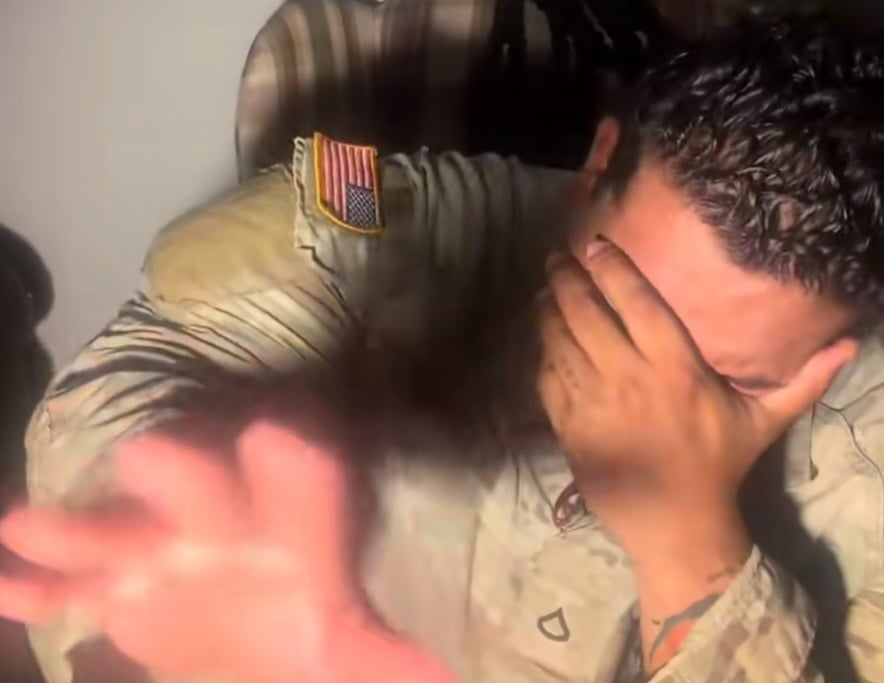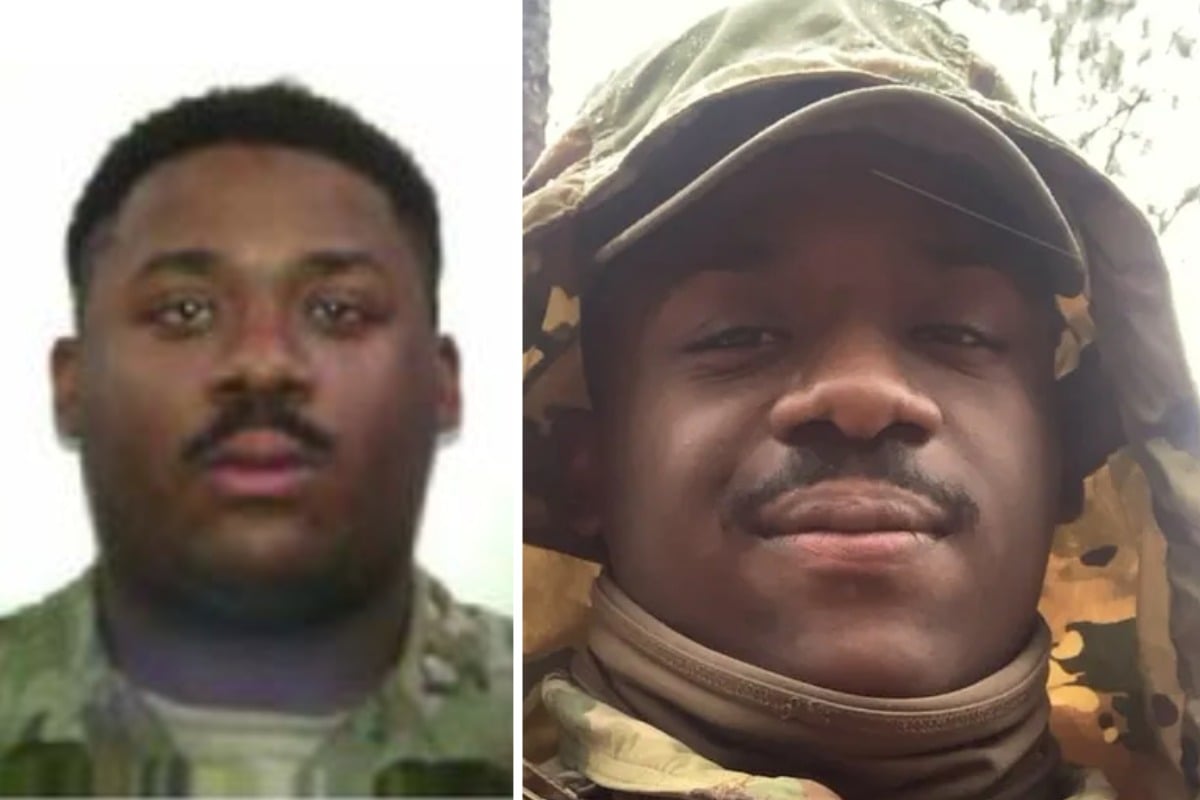
A junior enlisted Soldier assigned to the 101st Airborne Division stood trial at Fort Campbell earlier this year facing a series of serious allegations involving domestic misconduct. By the time the case reached its conclusion, however, most of those accusations had been dismissed, leaving a single conviction to define the outcome.
PFC Henry J. Douberly was tried at a General Court-Martial on March 2, 2026, before a military judge alone, after initially electing to be tried by an enlisted panel during his November 2025 arraignment. What began as a multi-charge case involving repeated allegations within a domestic setting ultimately narrowed significantly before findings were entered.
According to the original charge sheet, Douberly was accused under Article 128b of the Uniform Code of Military Justice of multiple incidents involving his spouse between September 2022 and January 2023. The allegations described a pattern of physical confrontations over that period.
Editor’s Note: This article has been adapted for general audiences. The full uncensored version is available to subscribers.
In addition to those allegations, the government also brought a separate charge under Article 120 related to an alleged incident involving a sleeping individual. That charge was later dismissed before findings were reached.
Taken together, the original charges outlined a serious case that, if fully proven, could have resulted in significant consequences.

But the outcome in court looked very different.
The official Statement of Trial Results shows that most of the government’s case did not proceed to findings. Several of the domestic-related specifications were dismissed after arraignment and before the judge rendered a decision. The separate Article 120 charge was also dismissed prior to findings.
In the end, only one allegation remained: a domestic violence-related specification involving suffocation. Douberly entered a guilty plea to that offense, and the military judge found him guilty accordingly.
That single conviction became the basis for sentencing.
The military judge sentenced Douberly to a Bad Conduct Discharge, 20 months of confinement, and reduction to the grade of E-1. The Entry of Judgment confirms that no additional action by the convening authority altered the findings or sentence after trial.
While the sentence reflects a serious outcome for the sustained offense, the broader context of the case highlights a common dynamic within military justice proceedings: the difference between what is initially alleged and what can ultimately be proven in court.
The original charge sheet outlined multiple incidents over several months, along with an additional allegation that was later dismissed. However, by the time the case concluded, the majority of those allegations had been removed prior to findings, leaving only one substantiated offense.
Court-martial records do not explain why specific charges are dismissed, but such outcomes can result from a range of factors, including evidentiary challenges, witness availability, or decisions made as the case develops.
What remains clear is that Douberly entered trial facing a broad set of allegations, but was ultimately convicted of a single offense, significantly narrowing the scope of the case from what was originally presented.
For readers following military justice cases, the proceedings serve as a reminder that initial charges often reflect the full scope of allegations, not necessarily the final outcome established in court.
© 2026 The Salty Soldier. All rights reserved.