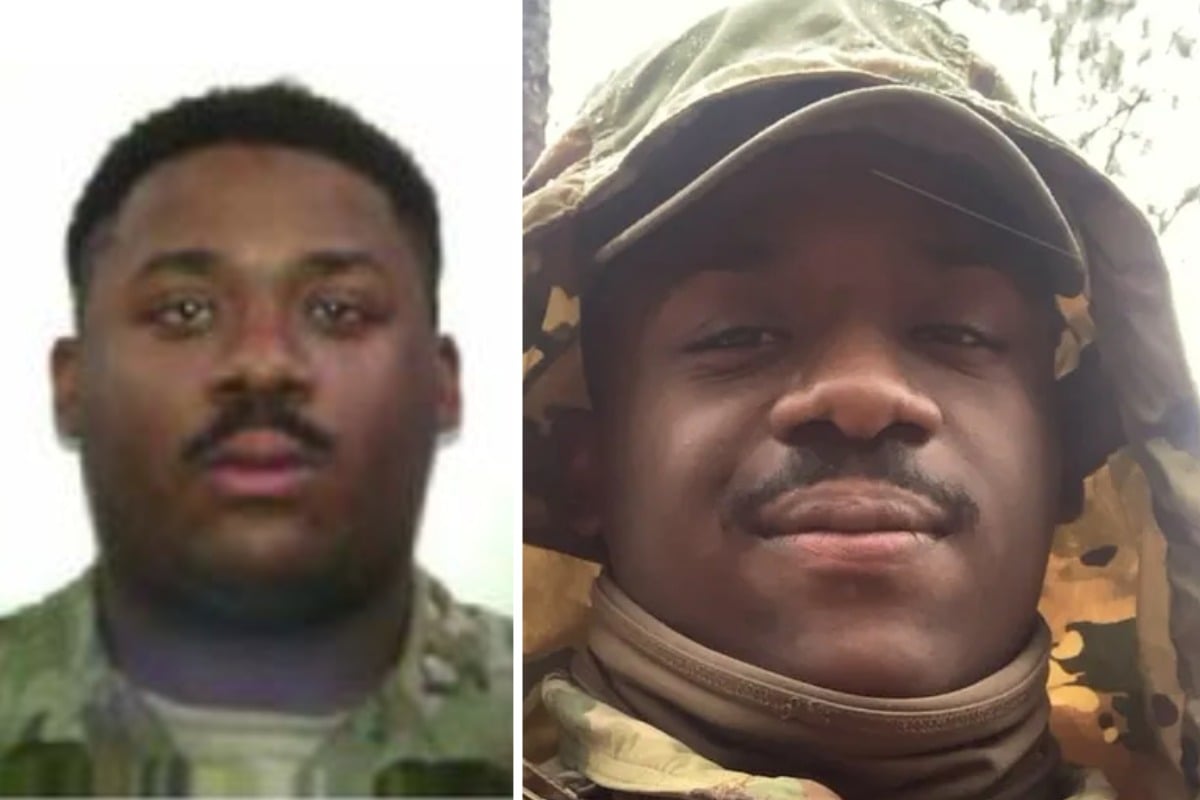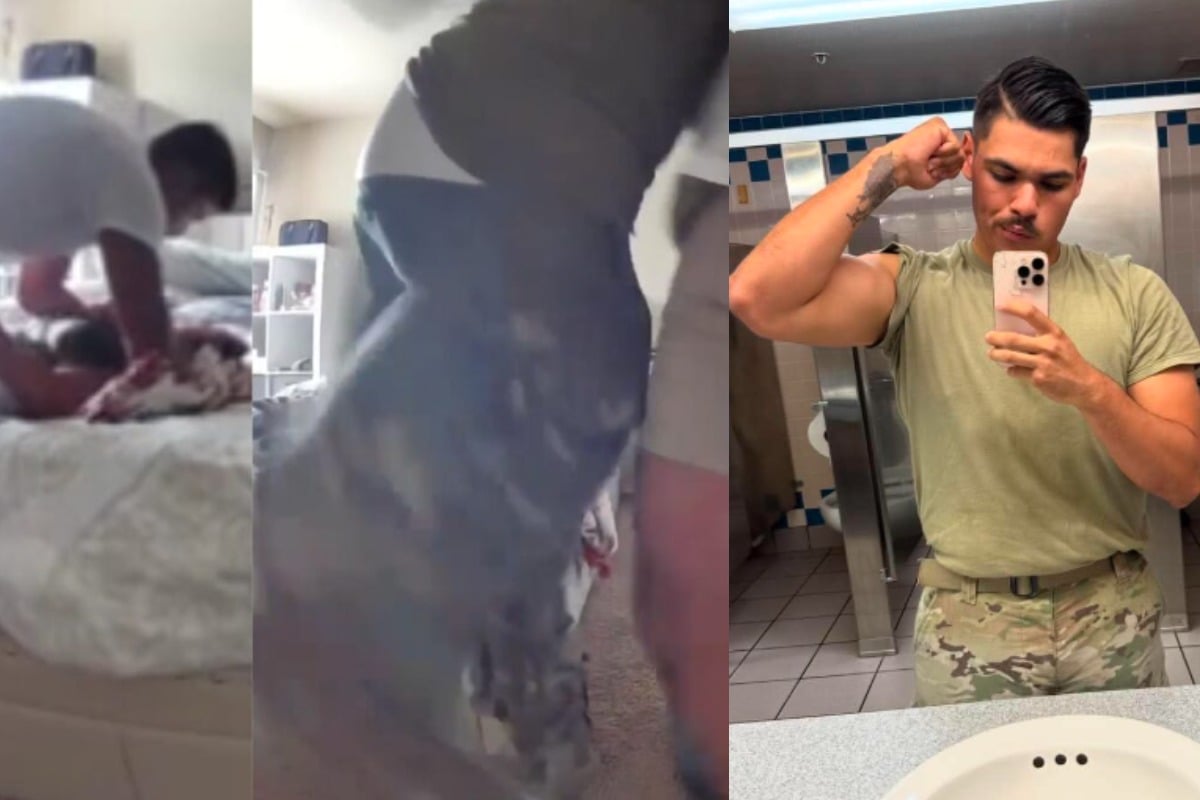
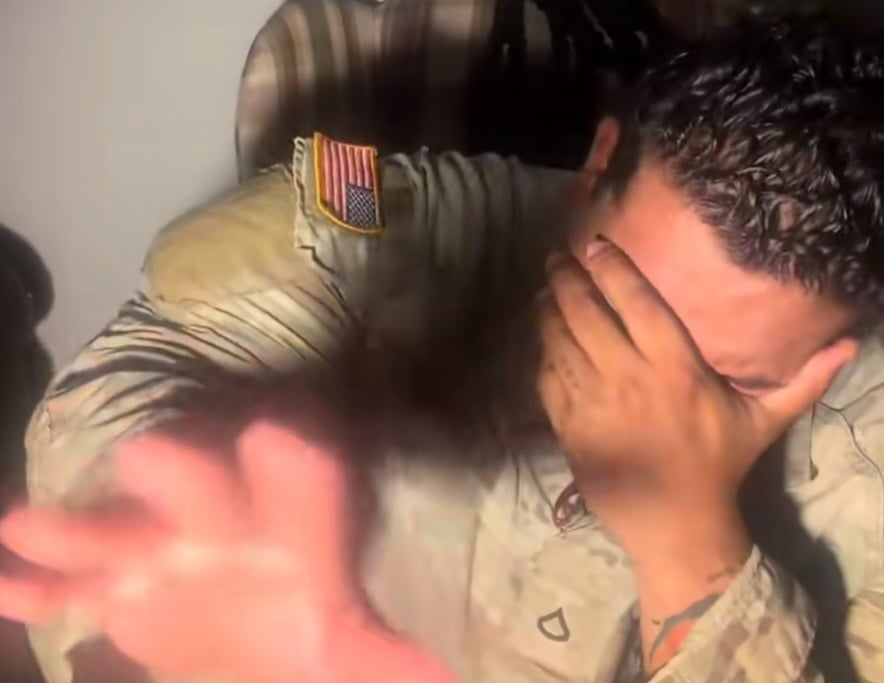
An Army soldier stationed at Fort Campbell recently shared an account of a phone call to his platoon sergeant that raises a question beyond his battery: What does a leader’s invitation to speak up mean when a soldier challenges leadership’s own decisions?
In a TikTok post shared Sept. 4, the soldier said his platoon sergeant had given everyone his phone number and told them they could call whenever they needed to talk or had a problem. When he used that invitation to object to a new battery policy, he said, the response was disciplinary.
“There’s no such thing as an open door policy,” he said, warning newer soldiers against trusting similar invitations.
His account describes an incident from Oct. 28, 2025. The recent video brings an emotional example to a longstanding issue: whether soldiers can raise concerns, receive meaningful consideration and return to work without paying a price for speaking.
According to the soldier, his battery imposed requirements on troops who were not Air Assault qualified, including carrying a rucksack with the school’s packing list everywhere they went, restrictions on entering the building and exercises upon entry. He said they were also prohibited from sitting down in the battery area and could receive counseling if they did.
The requirements, he alleged, applied to soldiers ranked E-4 and below, while higher-ranking troops without the qualification were exempt.
“They enforced the standard even though they didn’t meet the standard,” he said.
He said he called his platoon sergeant after going home because he was upset about the policy. In the video, he reads what he describes as language documenting the response to that call, criticizing him for contacting the platoon sergeant before bringing his concerns to his section chief.
“You failed to bring your concerns to your immediate supervisor,” the passage states, according to the transcript. It characterizes that omission as disregard for the chain of command.
The soldier describes the incident as his first Article 15, a form of nonjudicial punishment, or NJP, that allows commanders to impose penalties such as extra duty, loss of pay or reduction in rank without a court-martial.
However, he does not provide the underlying disciplinary records, and the passage he reads resembles a counseling statement. His account alone does not establish the specific offense or punishment imposed.
It does establish what he says he took away from the experience: A leader’s invitation to call did not mean he could safely call about this concern.
The Army’s written policy places open-door access alongside its emphasis on the chain of command. In the Feb. 6, 2025, version of Army Regulation 600-20, paragraph 2-2 requires commanders to publish an open-door policy allowing soldiers to present personal or professional concerns and unresolved issues. Commanders determine the timing, conduct and procedures and must ensure soldiers know the policy.
The preceding paragraph directs soldiers to use the chain of command when communicating problems.
A platoon sergeant’s invitation to call is distinct from a commander’s formal open-door policy. The soldier’s account therefore raises questions about what his leader promised, what procedures soldiers were told to follow and how leadership responded when he challenged the battery’s decision.
Those questions matter even when a complaint does not result in a policy change. Being heard can mean having a concern examined and receiving an explanation. Being allowed to speak is only the beginning.
Research on military hazing offers evidence of the obstacles that can keep service members from raising concerns.
A 2024 study published in Military Medicine, “Service Members’ Attitudes Toward Reporting Hazing Incidents,” surveyed a convenience sample of 227 service members at Fort Bragg. Researchers found a substantial difference between respondents identifying an experience as hazing and reporting behaviors that met the study’s definition.
Among 35 respondents who acknowledged experiencing hazing and answered the disclosure question, only 40% said they reported the incident or confided in someone about it. That measure included disclosure to another person, rather than formal complaints alone.
Researchers identified barriers involving anonymity, confidence in reporting procedures, leadership reactions and the normalization of hazing as tradition.
The study provides evidence of reporting barriers within that sample. It does not measure the effectiveness of Army open-door policies, establish an Army-wide reporting rate or determine whether the battery requirements described in the TikTok account constituted hazing.
@bigdaddyrazo ♬ original sound – BigDaddyRazo
Nevertheless, its findings give substance to a question raised by the video: What makes a soldier believe that speaking up will help?
The consequences worth examining extend beyond documented punishment. Soldiers’ accounts of increased scrutiny, exclusion or lost opportunities after raising concerns also warrant examination, including whether those actions were connected to the complaint. Unlawful reprisal is a separate determination that cannot be established simply because an unfavorable action followed a disagreement.
@bigdaddyrazo ♬ On a Mission – Duomo
For the soldier in the video, the lasting consequence he describes is lost trust. He says he and the platoon sergeant are now on good terms, but he does not intend to reenlist.
He also rejects the idea that his experience represents every Army leader.
“My leadership … does not represent the rest of the Army and all military,” he said. He acknowledged that he had met leaders who cared.
That distinction leaves the larger question intact. An open-door statement tells soldiers where they can take a concern. What leadership does after they arrive determines whether they will trust the invitation again.
© 2026 The Salty Soldier. All rights reserved.