The U.S. military has always had an unofficial economy running parallel to the official one. Service members have long relied on side work—everything from ride-share driving to lawn care—to make ends meet. But in recent years, a new kind of side hustle has quietly emerged across the ranks, one that military leadership is still struggling to understand or regulate.
Instead of cutting hair in the barracks or selling items online, a growing number of troops—particularly women—have turned to subscription-based platforms where personal imagery and lifestyle content generate income from paying subscribers. What makes this trend different is that some of these creators have chosen to feature themselves in uniform, using military settings or apparel as part of their presentation.
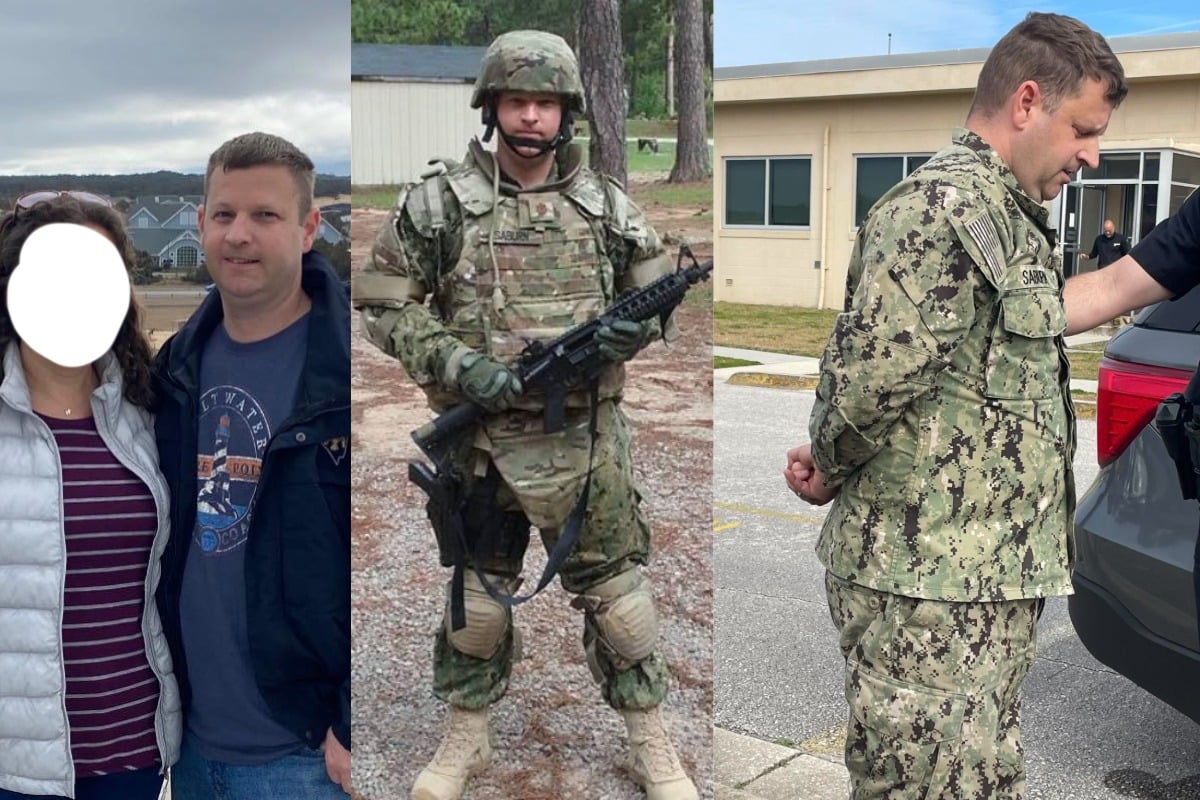
One case that’s drawn attention involves a married Navy service member, known only as “Tanya,” who has built a modest but growing presence on adult-oriented social media and subscription sites. While her online persona centers around body-confidence, family life, and rediscovering herself outside of work, the inclusion of recognizable Navy uniforms in her content has raised legal and ethical concerns within the ranks.
Her photos, some of which appear to be taken near military housing or recreation areas, show her mixing personal expression with professional imagery. That blurring of lines has sparked debate about what’s acceptable under military standards and what crosses into misconduct. The Navy’s uniforms—symbols of authority and professionalism—become part of the visual message, and that’s where the situation changes from a personal project to a possible policy issue.
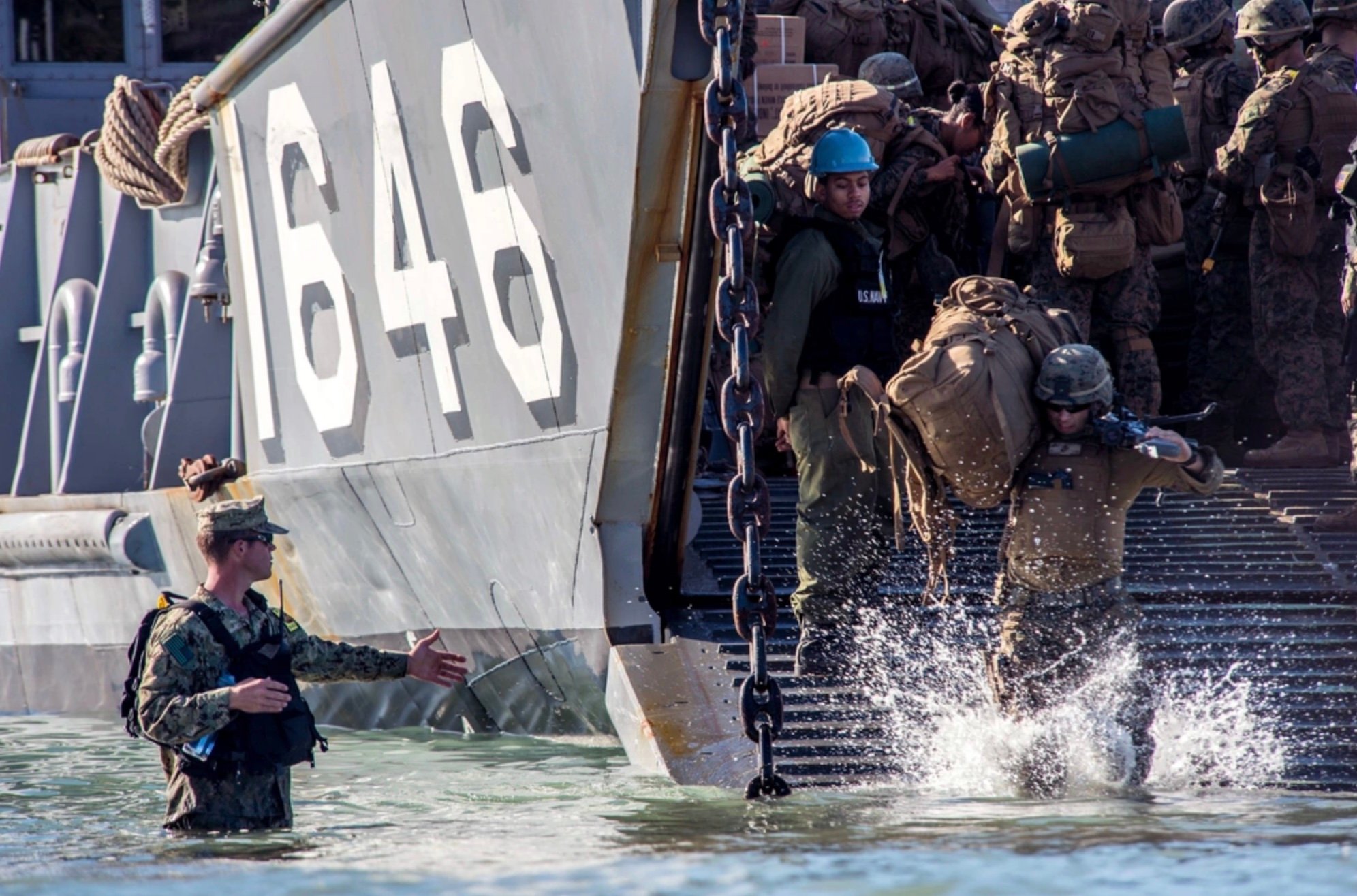
Military regulations make clear that uniforms cannot be used to promote or endorse private enterprises, and commanders have the authority to take disciplinary action under the Uniform Code of Military Justice when service members use official imagery in ways that could discredit the branch. Whether “Tanya’s” online activities will lead to such action remains uncertain, but the precedent is becoming harder for the services to ignore.
Beyond one individual, this case highlights a larger issue facing the modern military: how to handle the intersection of personal freedom, online entrepreneurship, and institutional image. The military’s standards were written long before social media blurred those boundaries, and each new case forces leadership to reconcile 20th-century rules with 21st-century realities.
For now, most commands appear hesitant to act. Enforcing outdated regulations in the age of personal branding and influencer culture risks bad optics and complicated legal questions. Still, the phenomenon is expanding—and every viral post or leaked image drags the Pentagon further into a conversation it would rather avoid.
The deeper, unfiltered investigation—including screenshots, language from her online profiles, and the full analysis of potential UCMJ implications—is available exclusively at TheSaltySoldierUncensored.com.
Ad regulations prevent us from publishing that material here, but readers who want the uncut report can find it there.
© 2025 The Salty Soldier. All rights reserved.
Reproduction or redistribution without written consent is prohibited.