Six U.S. service members were killed after a U.S. Air Force KC-135 Stratotanker crashed in western Iraq on Thursday during ongoing military operations connected to the war against Iran, according to U.S. Central Command.
Two aircraft were involved in the incident. One KC-135 went down in what officials described as an apparent mid-air accident, while the second aircraft landed safely. Military officials have not yet released the identities of those killed while next of kin notifications are completed.
Central Command confirmed the crash occurred in friendly airspace during Operation Epic Fury, the ongoing U.S. military campaign targeting Iranian military infrastructure.
Officials stated the crash was not caused by hostile fire or friendly fire, and the circumstances surrounding the incident remain under investigation.
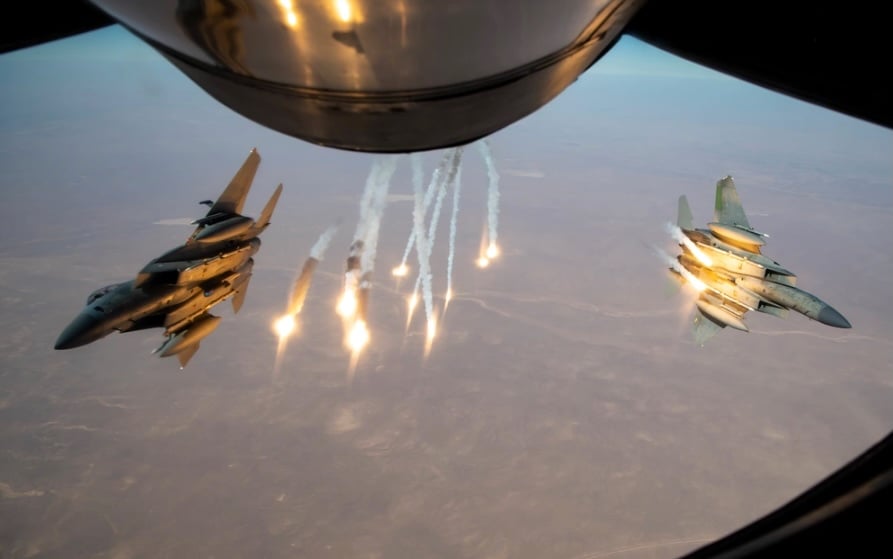
The KC-135 Stratotanker is a critical asset for U.S. air operations. The aircraft performs aerial refueling missions that allow fighters, bombers, and surveillance aircraft to remain airborne for extended periods while conducting combat operations. A typical KC-135 crew includes a pilot, co-pilot, and boom operator, though additional personnel may be onboard depending on mission requirements.
Aerial refueling missions are among the most technically demanding operations in military aviation. Tanker pilots must maintain steady flight while a boom operator, positioned in the rear of the aircraft, guides a refueling boom into the receiving aircraft’s fuel port. Even minor errors in positioning or approach can lead to catastrophic consequences.
Open-source flight tracking data suggests multiple U.S. refueling sorties were launched Thursday from Israel’s Ben Gurion Airport in support of ongoing strike operations against Iran. One tanker failed to return, while another aircraft reportedly transmitted an emergency transponder code before landing back in Israel.
Images circulating online appear to show a KC-135 with damage to its vertical stabilizer after landing, though the authenticity of the photographs has not been independently verified.
The crash marks the fourth publicly acknowledged aircraft loss connected to the war against Iran, which began on February 28 after the United States and Israel launched a joint military campaign targeting Iranian missile sites, air defenses, and weapons production facilities.
Over the past two weeks, U.S. forces have reportedly struck more than 6,000 targets tied to Iranian military capabilities.
Prior to the tanker crash, U.S. military officials confirmed that seven American service members had already been killed in combat since the start of the war. With the loss of the KC-135 crew, the number of U.S. service members killed during the conflict has now risen to at least thirteen.
Six Army Reserve soldiers were killed on March 1 when an Iranian drone struck a logistics operations center at a civilian port in Kuwait. The soldiers were supporting supply operations when the strike occurred.
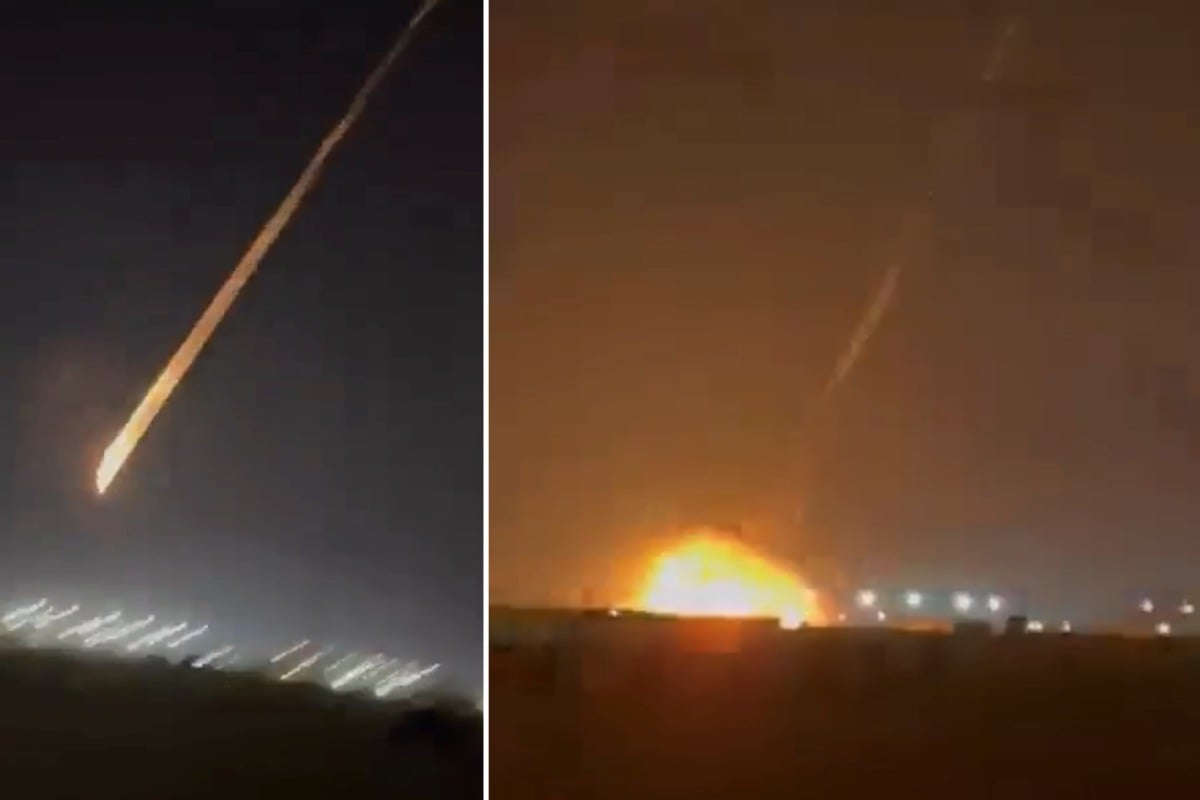
Another U.S. service member later died from wounds sustained during a separate Iranian attack on Prince Sultan Air Base in Saudi Arabia.
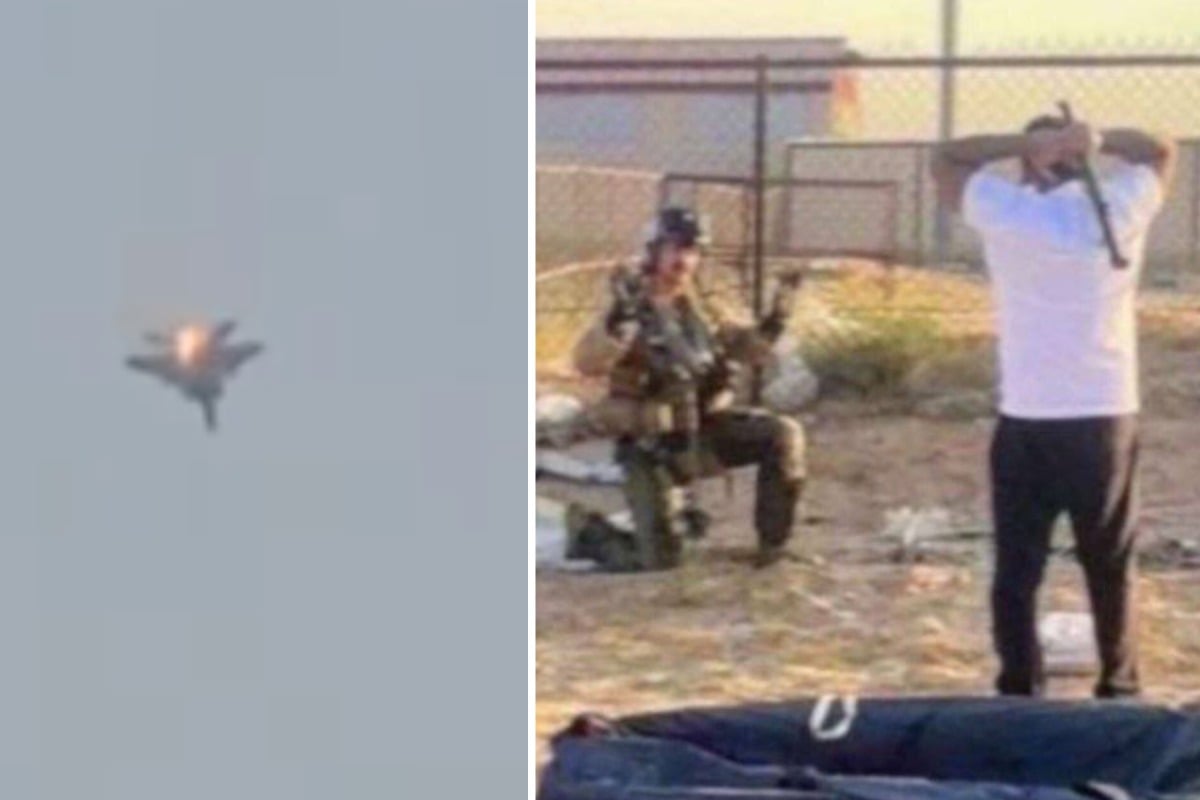
Earlier in the conflict, three U.S. Air Force F-15E Strike Eagles were mistakenly shot down by Kuwaiti forces in what officials described as an apparent friendly-fire incident. All six crew members ejected safely and were recovered.
More than 50,000 American troops are currently deployed across the Middle East in support of the campaign against Iran, along with nearly every major combat aircraft in the U.S. Air Force inventory.
The KC-135 involved in Thursday’s crash is based on the Boeing 707 airliner design and has served in the U.S. Air Force for more than six decades. Despite extensive modernization upgrades over the years, the aircraft remains one of the oldest platforms still operating in the Air Force fleet.
Central Command said additional information about the crash will be released as the investigation continues.
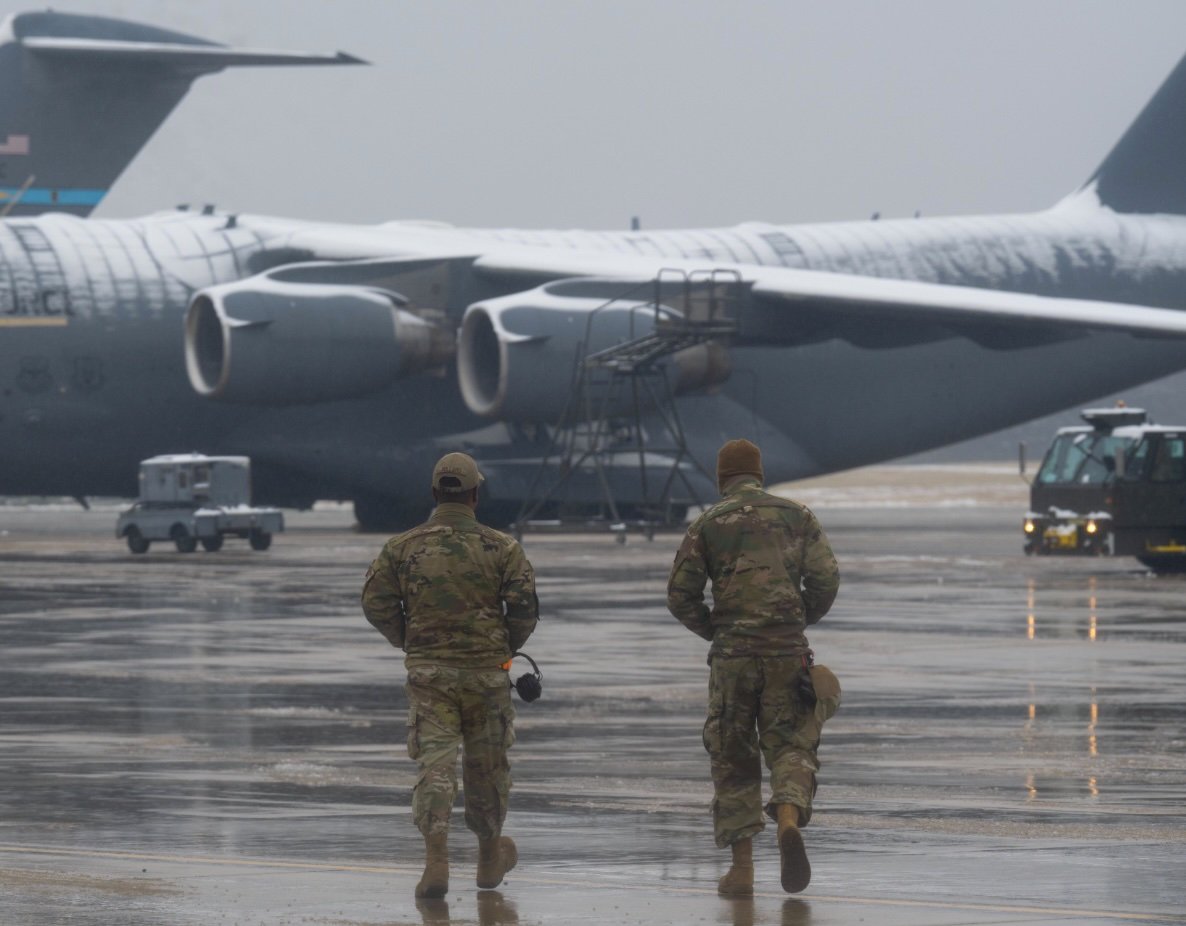
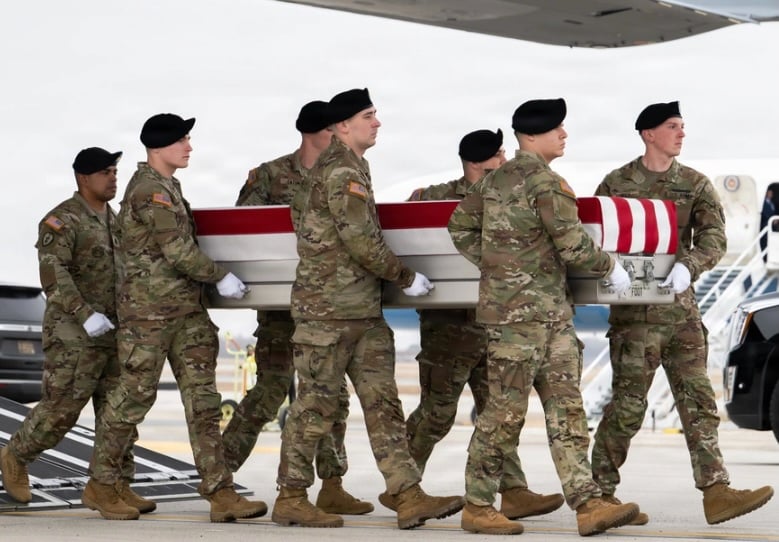
The remains of fallen service members from the conflict have been returning to the United States through Dover Air Force Base, where dignified transfer ceremonies continue to be held as casualties from the war mount.
Secretary of War Pete Hegseth acknowledged the dangers of ongoing operations following the KC-135 crash, saying the fallen service members would ultimately be received in the same solemn manner as others killed during the conflict.
“War is chaos. And as we saw yesterday with the tragic crash of our KC-135 tanker, bad things can happen,” Hegseth said.
“American heroes, all of them. And as I have with all of them, as we have, we will greet those heroes at Dover, and their sacrifice will only recommit us to the resolve of this mission.”
Hegseth added that the nation continues to pray for U.S. service members deployed overseas and urged Americans to keep them in their thoughts as the conflict continues.
As recovery operations and the investigation continue, military officials say their priority remains notifying families and determining exactly what caused the mid-air accident over Iraq.
© 2026 The Salty Soldier. All rights reserved. Reproduction without written consent is strictly prohibited.