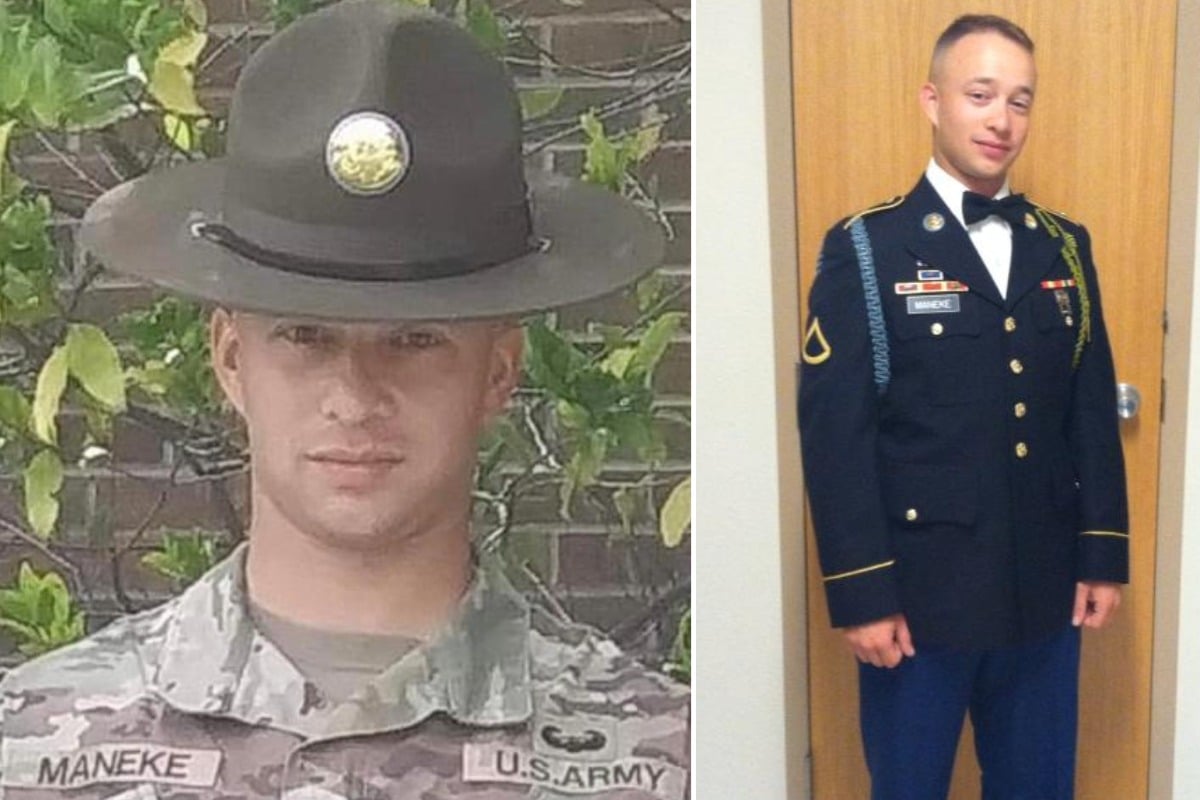
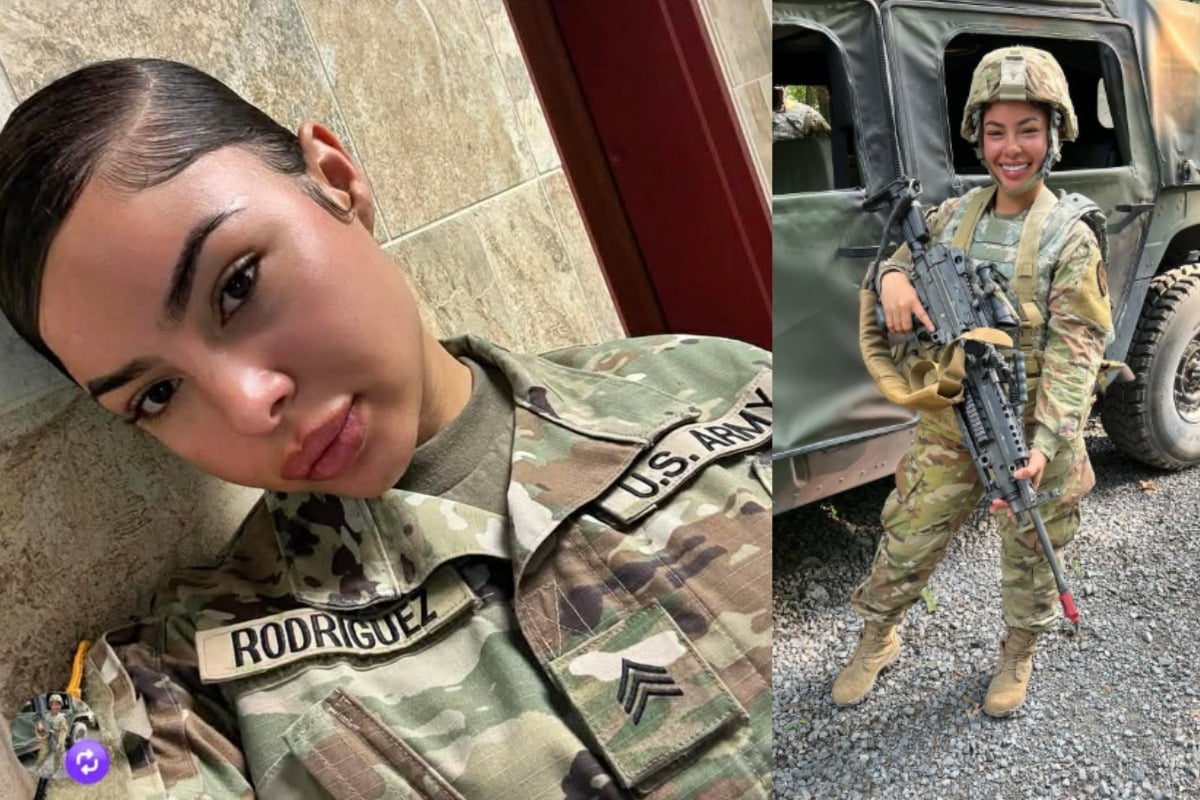
The first week of the war with Iran has already taken the lives of seven American service members.
From a deadly Iranian drone strike in Kuwait to a missile attack on a U.S. base in Saudi Arabia, the attacks that killed them occurred within days of each other as the conflict rapidly escalated across the Middle East.
Following the March 9 dignified transfer of Sgt. Benjamin N. Pennington at Dover Air Force Base, the remains of all seven U.S. troops killed in Iranian strikes during the war’s first week have now been returned to the United States.
Here is what we know about the attacks that killed them and the service members who died.
Iranian Drone Strike in Kuwait Kills Six U.S. Soldiers
The first American combat deaths occurred on March 1 when an Iranian drone struck a U.S. tactical operations center at Port Shuaiba in Kuwait, killing six U.S. Army Reserve soldiers assigned to the 103rd Sustainment Command.
Officials said the drone penetrated regional air defenses and hit the command facility where troops were coordinating logistics operations supporting forces across the Middle East.
The Pentagon later identified the six soldiers killed in the attack as:
Capt. Cody A. Khork, 35, of Winter Haven, Florida
Sgt. 1st Class Nicole M. Amor, 39, of White Bear Lake, Minnesota
Sgt. 1st Class Noah L. Tietjens, 42, of Bellevue, Nebraska
Sgt. Declan J. Coady, 20, of West Des Moines, Iowa
Maj. Jeffrey R. O’Brien, 45, of Indianola, Iowa
Chief Warrant Officer 3 Robert M. Marzan, 54, of Sacramento, California
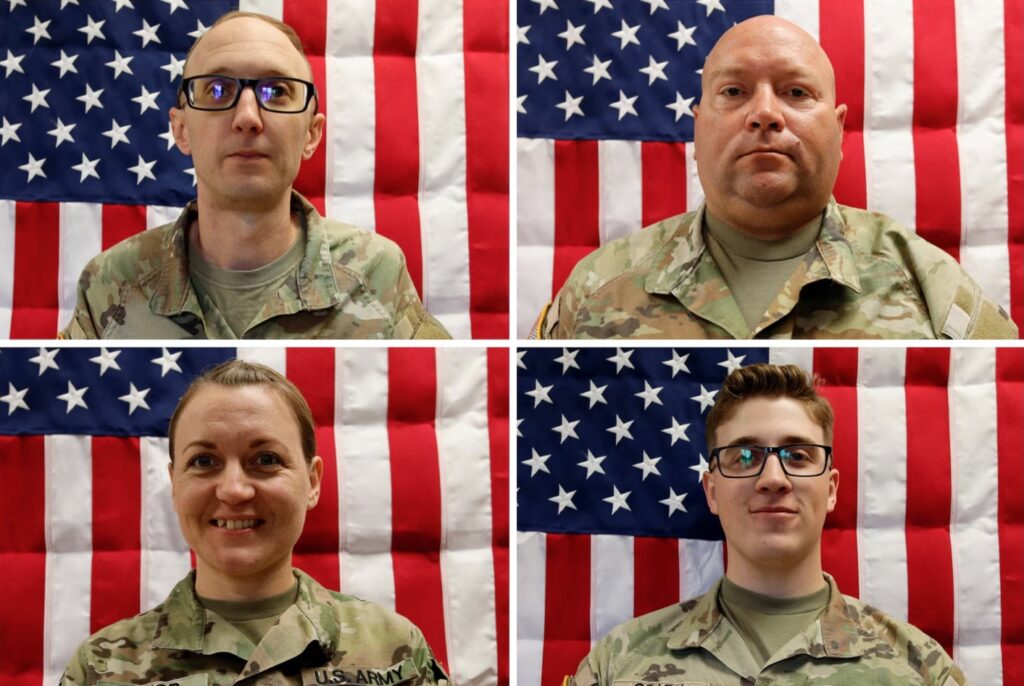
All six soldiers were serving in a logistics command responsible for providing equipment, transportation, and sustainment support to U.S. forces operating throughout the region.
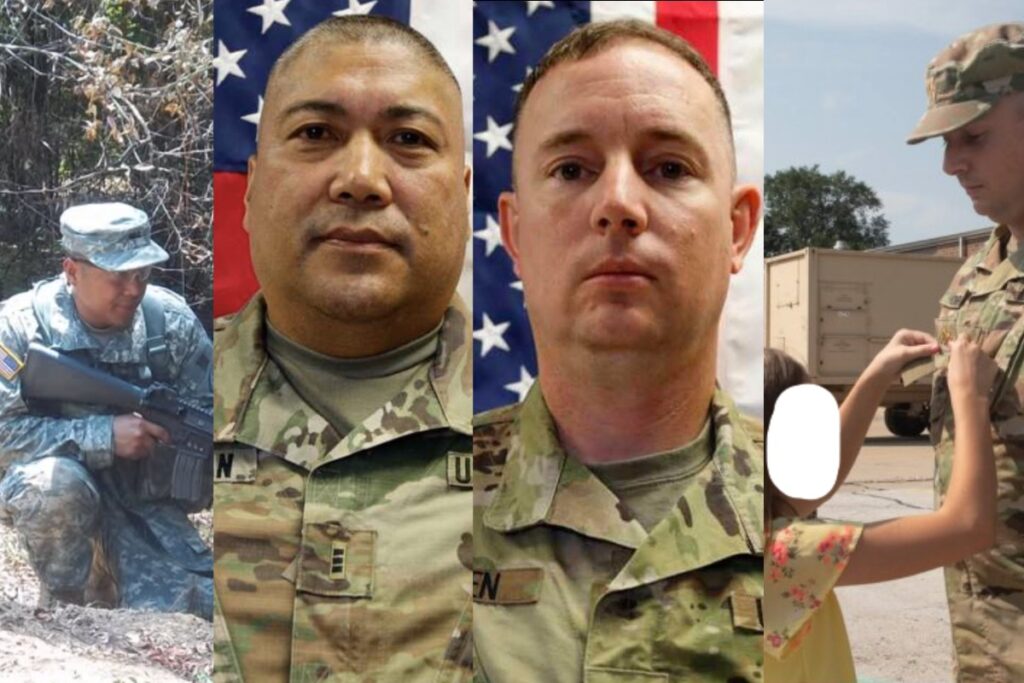
Military officials said the drone strike occurred early in the conflict as Iran launched waves of drones and missiles across the Middle East in retaliation for U.S. military operations.
The attack in Kuwait marked the first American combat fatalities of the war.
Missile Strike in Saudi Arabia Kills Seventh Soldier
Days later, another Iranian attack would claim a seventh American life.
U.S. Army Sgt. Benjamin N. Pennington, 26, of Glendale, Kentucky, was severely wounded during a March 1 Iranian strike on Prince Sultan Air Base in Saudi Arabia.
Pennington served in the 1st Space Battalion, 1st Space Brigade, part of the Army Space and Missile Defense Command based at Fort Carson, Colorado. His unit supports missile warning systems, satellite communications, and GPS operations used by U.S. forces across the region.
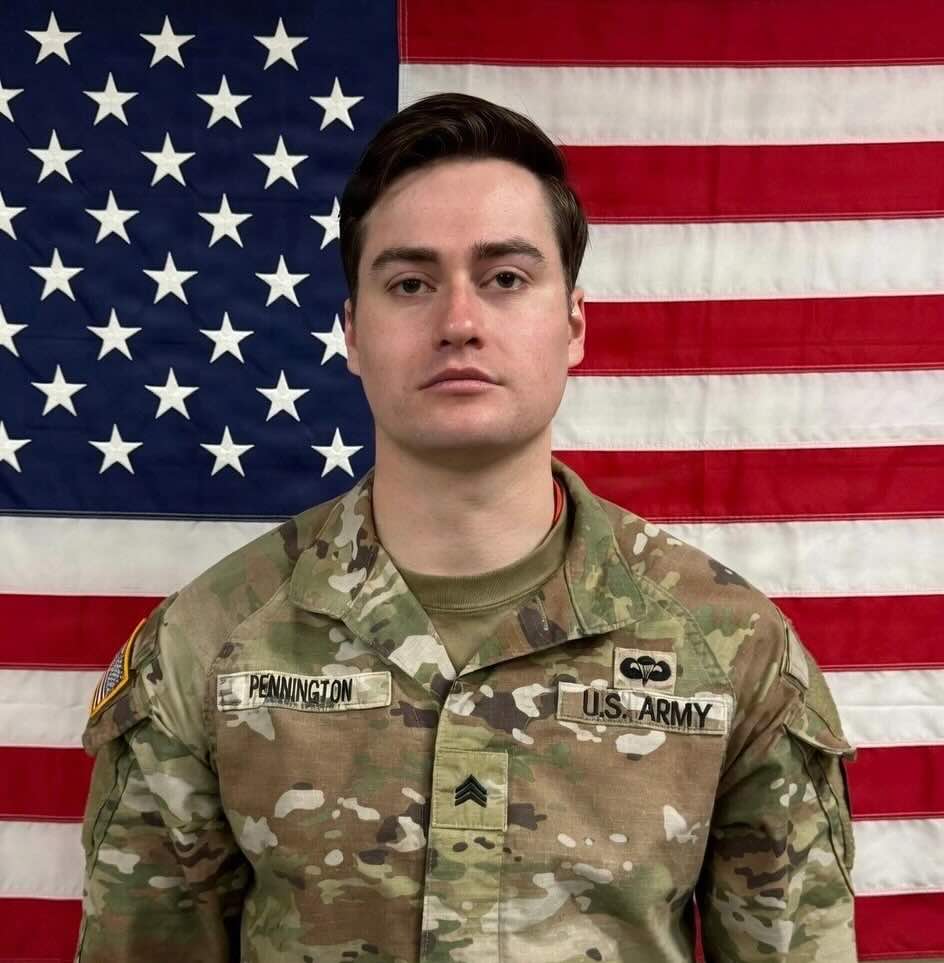
After several days receiving medical treatment, Pennington died from his injuries, becoming the seventh American service member killed during the opening phase of the war with Iran.
The Army announced he will be posthumously promoted to staff sergeant.
The Final Return Home
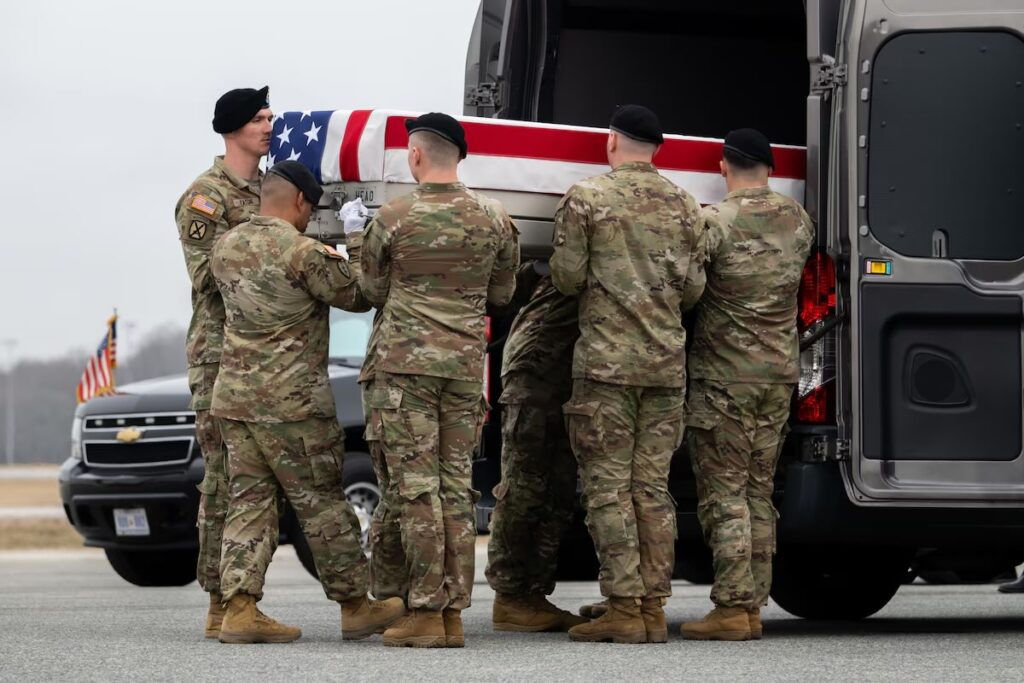
The remains of the seven service members were returned to the United States through Dover Air Force Base in Delaware, the military’s primary entry point for fallen troops returning from overseas combat zones.
During a dignified transfer ceremony, an honor guard carries the flag-draped transfer case from the aircraft before the remains are released to the service member’s family.
Senior government and military officials attended the final dignified transfer for Sgt. Pennington as his remains arrived on American soil.
With that ceremony complete, all seven U.S. service members killed during the first week of the Iran war have now returned home.
A War Already Taking American Lives
The deaths highlight the growing risks faced by American forces stationed across the Middle East as the conflict with Iran intensifies.
Iran has launched large waves of drones and missiles across the region targeting bases and facilities hosting U.S. troops.
While the war is still in its early stages, the deaths of seven service members in the opening days underscore how quickly the conflict has escalated.
For the families of those killed, the war’s cost is already painfully clear.
Their names now join the long list of Americans who have made the ultimate sacrifice in combat.
© 2026 The Salty Soldier. All rights reserved