The Department of War has identified four Army Reserve soldiers killed in a drone strike in Kuwait during the opening days of the expanding war with Iran, marking the first publicly identified American casualties tied to the conflict.
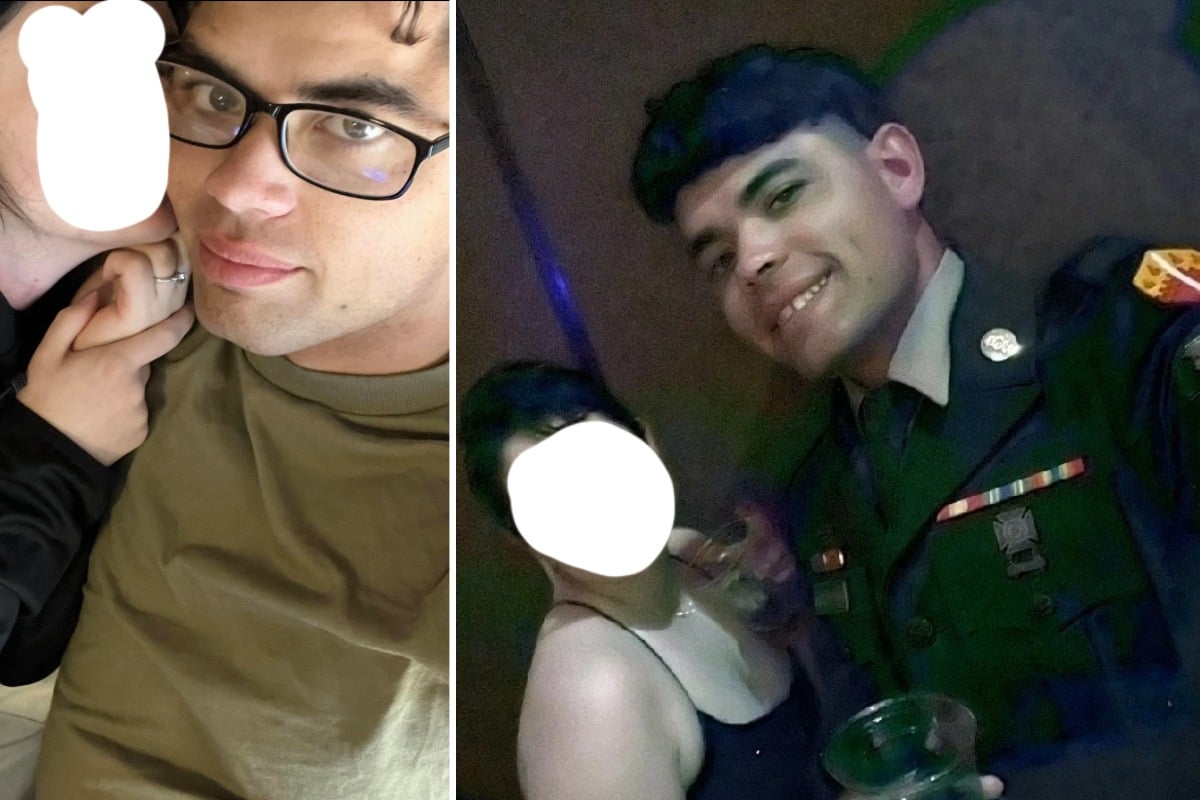
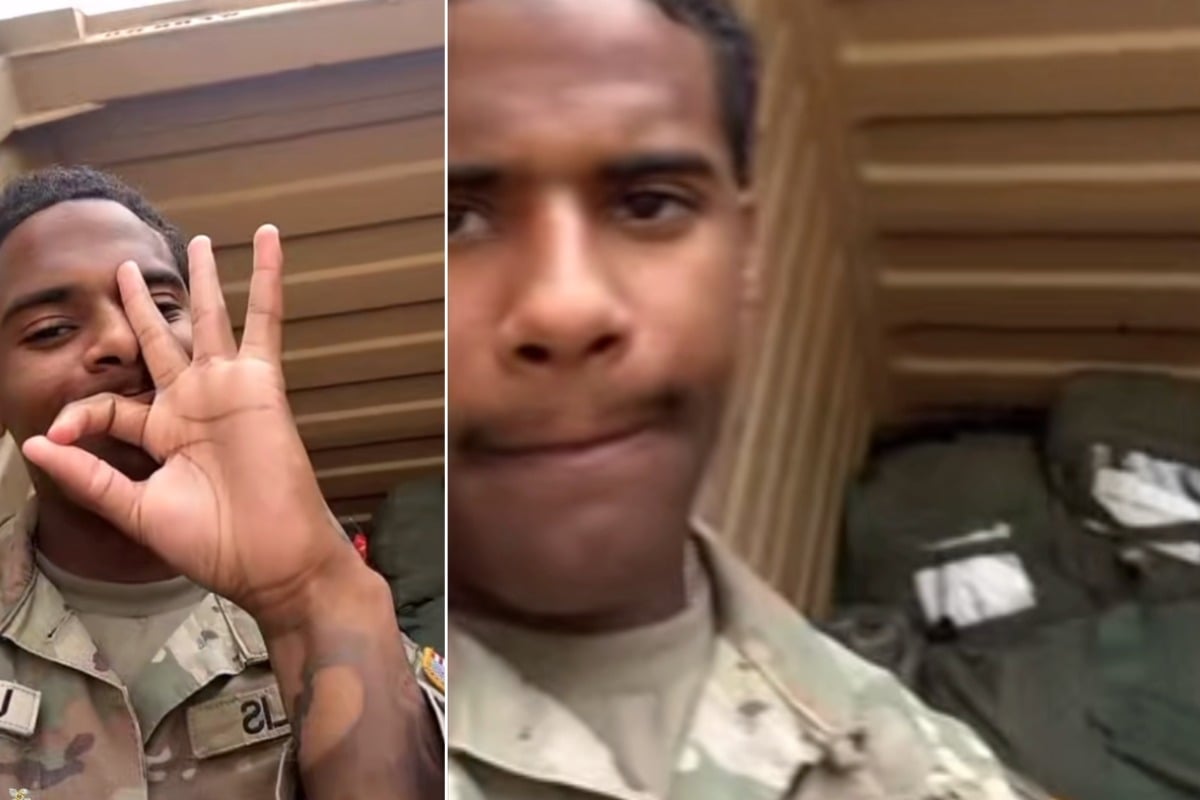
According to an official release, Capt. Cody A. Khork, 35, of Winter Haven, Florida; Sgt. 1st Class Noah L. Tietjens, 42, of Bellevue, Nebraska; Sgt. 1st Class Nicole M. Amor, 39, of White Bear Lake, Minnesota; and Sgt. Declan J. Coady, 20, of West Des Moines, Iowa, were killed March 1, 2026, during an unmanned aircraft system attack at Port Shuaiba, Kuwait.
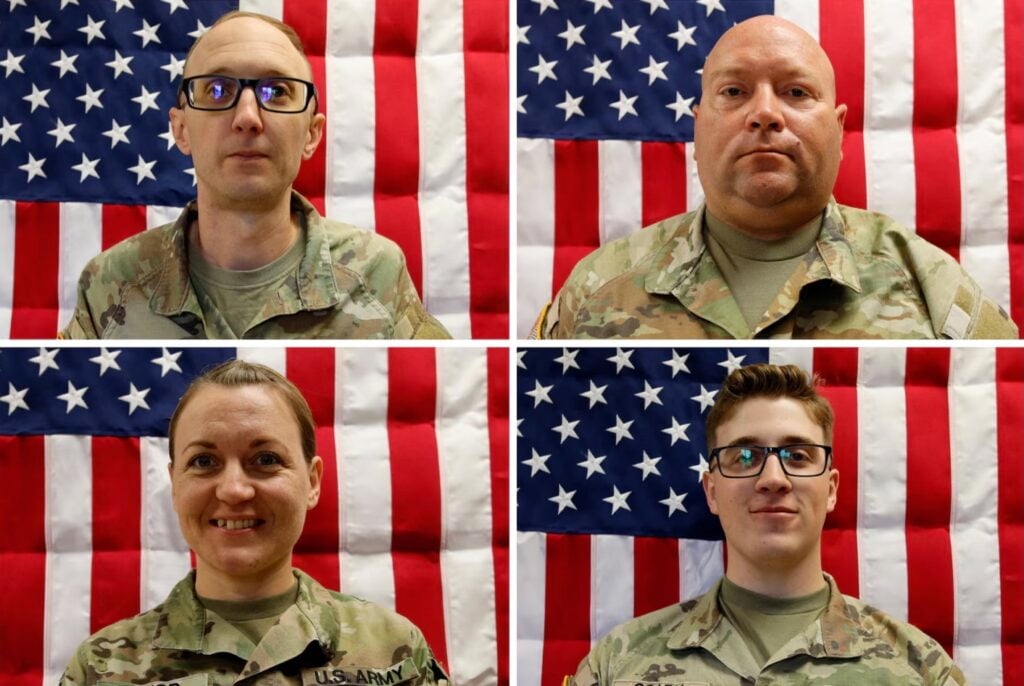
All four soldiers were assigned to the 103rd Sustainment Command out of Des Moines, Iowa, and were supporting Operation Epic Fury at the time of the attack.
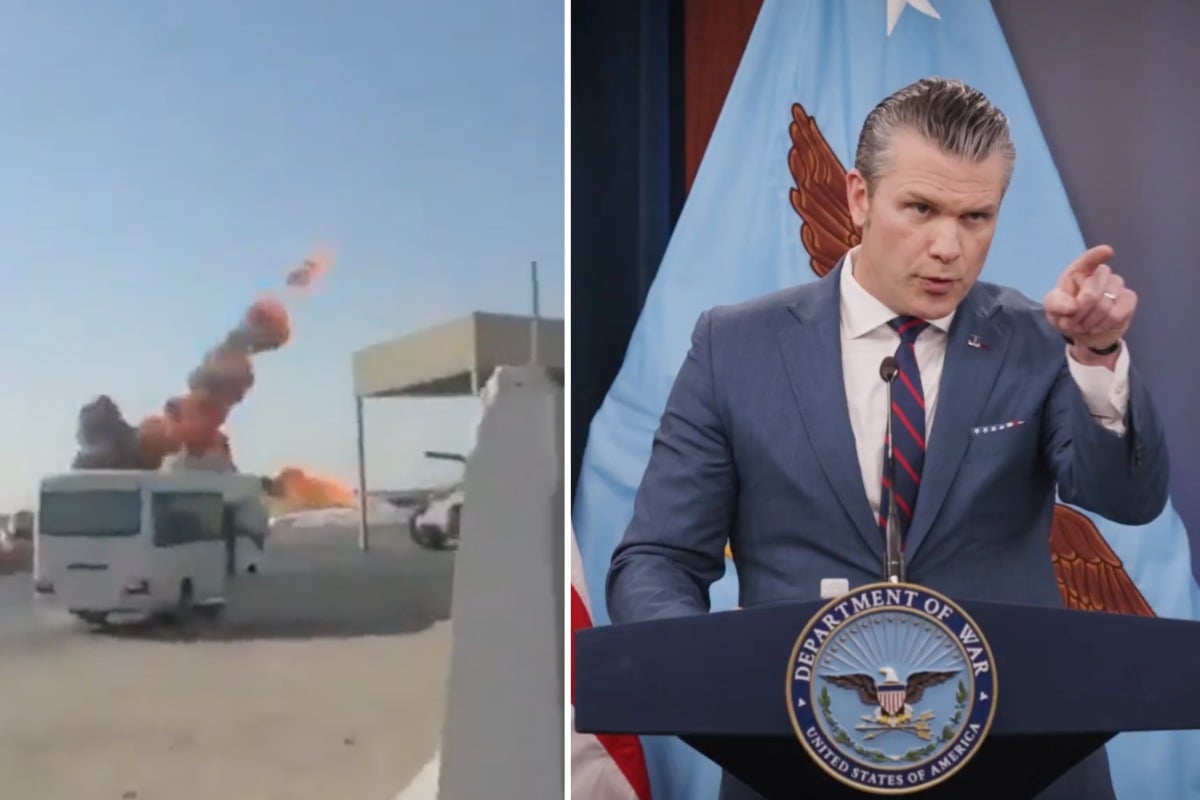
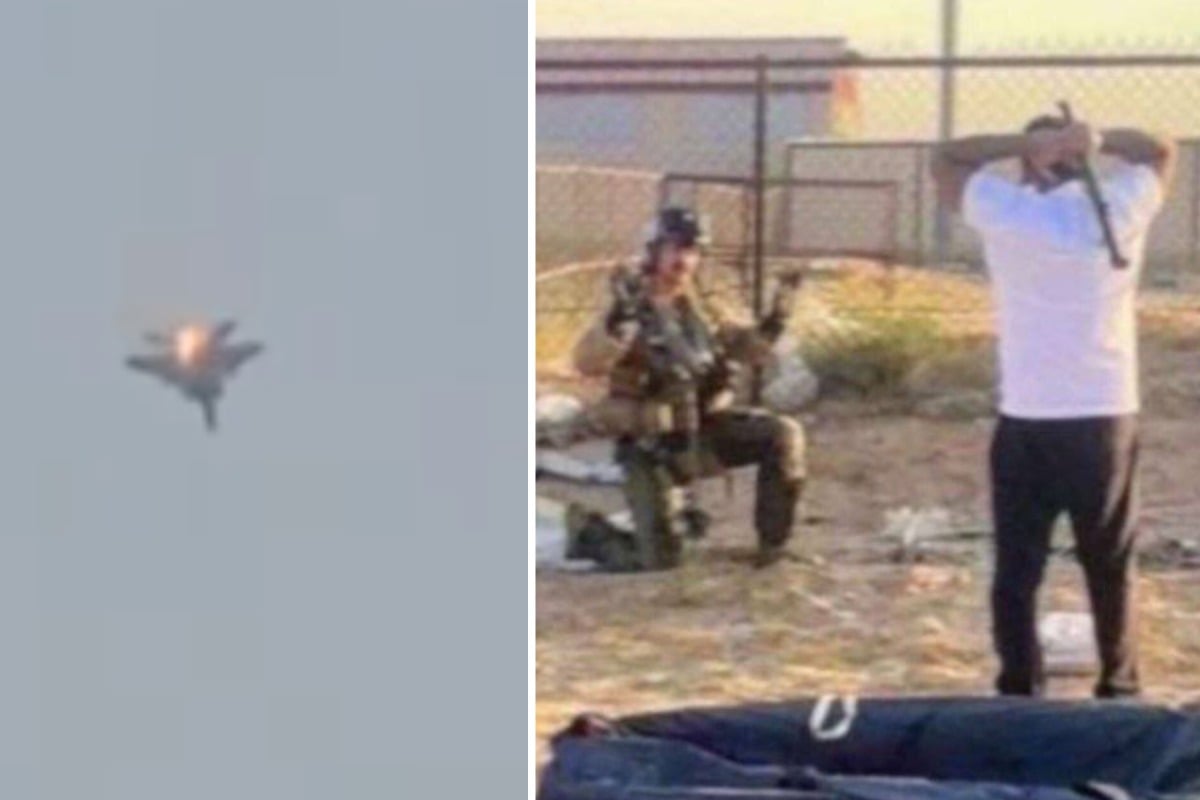
Military officials say the soldiers were operating from a tactical operations center near the port when the drone strike occurred. The attack was part of a broader wave of Iranian retaliation following U.S. and Israeli military strikes against Iran. U.S. Central Command has reported that Iran has launched hundreds of ballistic missiles and more than 2,000 drones across the region since the conflict escalated.
The incident remains under investigation.
The four soldiers were among six U.S. service members killed in the strike. The Department of War has not yet publicly identified the other two casualties.
The soldiers served in a logistics and sustainment role, part of the Army’s global supply system responsible for moving food, fuel, water, ammunition, and equipment to deployed forces. While sustainment units often operate behind the scenes, their work keeps combat forces moving and supplied across the battlefield.
Capt. Cody Khork had a long history of service overseas. He previously deployed to Saudi Arabia in 2018, Guantanamo Bay in 2021, and Poland in 2024. Family members described him as deeply patriotic and driven by a lifelong commitment to serve his country. He had earned a degree in political science and commissioned as an Army Reserve officer after beginning his military career in the National Guard.
Sgt. 1st Class Nicole Amor had served in uniform since 2005 and previously deployed to Kuwait and Iraq in 2019. A mother of two, she was just days away from returning home to her family in Minnesota. Her husband said he spoke with her only hours before the attack.
“She was almost home,” he told reporters. “You don’t go to Kuwait thinking something’s going to happen, and for her to be one of the first — it hurts.”
Sgt. 1st Class Noah Tietjens enlisted in the Army Reserve in 2006 as a wheeled vehicle mechanic and had previously deployed to Kuwait twice, in 2009 and 2019. Outside of the military, he was a martial arts instructor who held a black belt in Taekwondo and Philippine combatives and was known locally for mentoring younger students.
Sgt. Declan Coady, the youngest of the four, had enlisted in the Army Reserve in 2023 as an information technology specialist. He was studying cybersecurity and computer science at Drake University while deployed overseas and hoped to eventually become an officer. He was posthumously promoted from specialist to sergeant after the attack.
The strike occurred at a U.S. military facility in Port Shuaiba that was protected by blast walls but reportedly lacked a hardened roof structure. Officials familiar with the incident told reporters the drone approached quickly and no warning alarm was sounded before impact.
Senior officials have warned that additional casualties are likely as the conflict continues to intensify. During a closed-door briefing to lawmakers, Defense Secretary Pete Hegseth and other national security officials reportedly told members of Congress that Iranian drone attacks may be difficult to fully stop.
President Donald Trump also acknowledged the growing risks to U.S. forces deployed across the Middle East.
“Sadly, there will likely be more before it ends,” Trump said when discussing the deaths.
For families of the fallen, the losses came suddenly and without warning.
Many had believed their loved ones’ assignment in Kuwait would be relatively low risk compared to other combat zones. Instead, the strike highlighted how rapidly the battlefield across the Middle East has changed as drone warfare continues to expand.
The deaths of the four soldiers have prompted tributes from military leaders, state officials, and fellow service members across the country.
Major General Todd Erskine, who leads the 79th Theater Sustainment Command, extended his condolences to the families and units affected by the attack, calling the soldiers’ service and sacrifice a reflection of the commitment shared by Reserve soldiers serving far from home.
“They bravely volunteered to defend our nation,” Army Secretary Daniel Driscoll said in a statement honoring the fallen.
As the war with Iran enters its next phase, the loss of these soldiers serves as an early reminder that even support units operating far from the front lines are now within reach of modern battlefield threats.
© 2026 The Salty Soldier. All rights reserved.